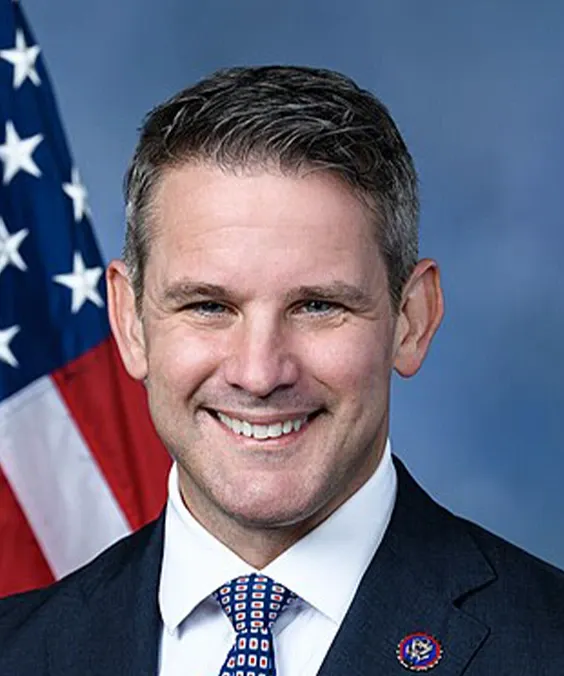
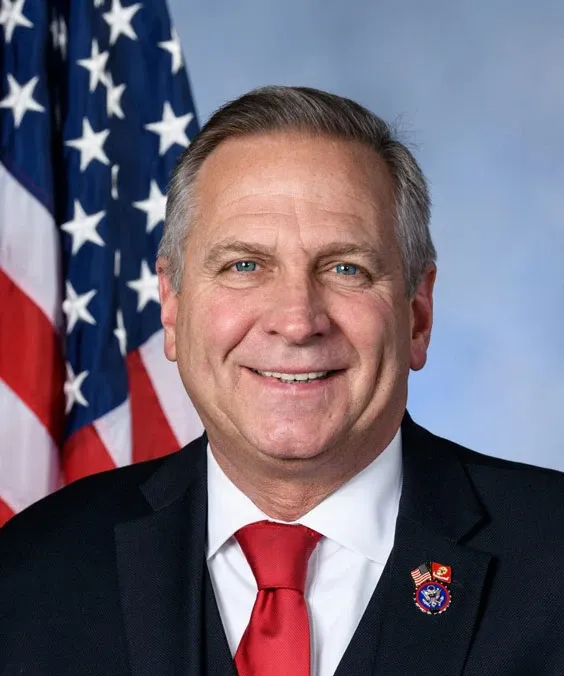
John Shimkus
The Public Record
John Shimkus is a former U.S. Representative from Illinois, serving in the House from January 7, 1997, until January 3, 2021. A member of the Republican Party, he represented Illinois's 15th congressional district. During his tenure, Shimkus was known for his work on issues related to energy, environment, and agriculture, often advocating for policies that supported these sectors. He served on several committees, including the Energy and Commerce Committee, where he focused on energy policy and environmental regulations.
Mar 6, 2012
We are all about energy security, we are all about decreasing our reliance on imported crude oil.
Mar 6, 2012
This administration from day 1 says we want high gas prices. Guess what? They are going to get it.
Mar 6, 2012
I am tired--I am really tired of this attack on drilling, because my little mom and pop drillers...
Mar 6, 2012
A gallon of ethanol is currently selling for nearly a dollar less per gallon than a gallon of gasoline.
Mar 6, 2012
The renewable fuels standard which we passed, and really, it was supported by both sides of the aisle, has been very, very successful.
Mar 6, 2012
How do we incent innovation in this area, which is part of the opening statements.
Feb 29, 2012
I too come to the well to address a tragedy that happened this morning. Early this morning, an F 4 tornado hit the city of Harrisburg, Illinois, in my district. There was extensive damage, and six residents lost their lives. Our thoughts…
Feb 15, 2012
It is an important program. We have a history in this country of making sure that the lowest income among us have access to basic communication services.
Feb 14, 2012
Well, we have got Obamacare, million dollars of tax increases now and fee increases, so we are not sure it is all about money.
Feb 14, 2012
The reality is, I was at a breakfast this morning and someone was asking for additional Federal money, only $21 million.
Feb 14, 2012
Do you agree that the Institute of Medicine study on the 510(k) process was widely rejected? Yes or no.
Feb 8, 2012
Why is that not working here? Why isn't there a signal being sent to manufacturers, hey, there is a demand that is not being filled.
Feb 8, 2012
Yes, historically, I think we have all believed that FDA has been really the gold standard.
Feb 8, 2012
I think focusing on the risk-based approach in the recent reports is right on.
Feb 7, 2012
I also deal with democracy movements in former captive nations, eastern Europe, whatever you want to call them.
Feb 7, 2012
First and foremost, truly pro-life issues are issues of actual life and death.
Feb 7, 2012
My folks send me here to fight for coal. My folks send me here to fight for low-cost power, because of jobs and incomes.
Feb 2, 2012
The program is too important to our national security to be this much in distress.
Feb 2, 2012
Retaliation and intimidation of Congressional witnesses is illegal and will not be tolerated.
Politicians like John Shimkus