Sep 7, 2016
I actually want to congratulate my colleague Mr. Welch from Vermont and of course my colleague from Iowa for drafting and starting the process.
The Public Record
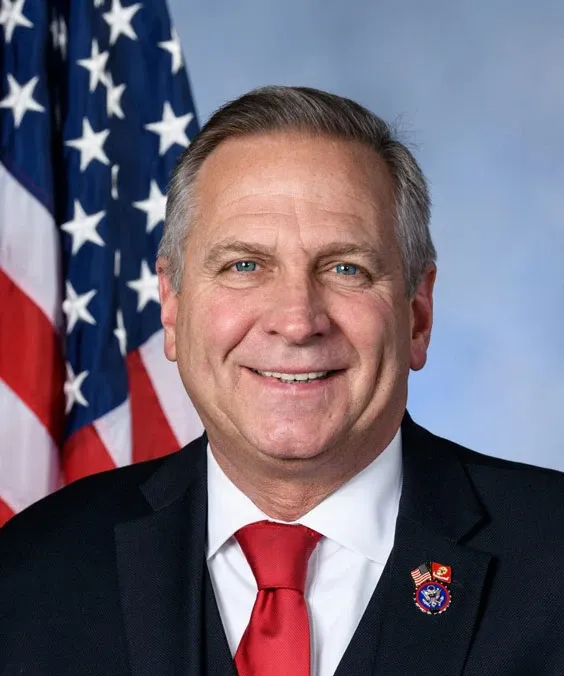
John Shimkus is a former U.S. Representative from Illinois, serving in the House from January 7, 1997, until January 3, 2021. A member of the Republican Party, he represented Illinois's 15th congressional district. During his tenure, Shimkus was known for his work on issues related to energy, environment, and agriculture, often advocating for policies that supported these sectors. He served on several committees, including the Energy and Commerce Committee, where he focused on energy policy and environmental regulations.
I actually want to congratulate my colleague Mr. Welch from Vermont and of course my colleague from Iowa for drafting and starting the process.
We apologize. We are sorry. Everyone should have universal service. And this has to be fixed.
If we are representing rural America, if you are being left out, we are not doing our jobs.
There is really a desire by many of us to be more specific, because in other agencies, we feel that they have kind of overstepped that
The EPA has had more than 25 years to understand and resolve the situation at this landfill and they have delivered zero, zero results.
Hopefully, our witnesses can share with us what worked but, more likely, we will need to take a look at what doesn't work.
The Nation's Superfund legacy is part of a response to our nuclear legacy, which was implemented to make sure we saved hundreds of thousands of lives.
You have to consider the loss. You have to really appreciate the job dislocation that's occurring in major coal-producing areas in our country.
If there is a way we could transition and incentivize transitioning older generation to new generation then we'd give these workers some hope.
We should make a Clean Power Plan that's based on clean energy, not renewable energy
Where does the executive branch get its authority and we don't think the legislative branch should excuse the executive branch for any reason for illegally breaking the law
I would ask our panelists to not only give us their best case story but also to listen to each other, because as we move forward we are going to have to move towards compromise.
If we squeeze too much--my colleague Mr. Rush--if we go too much, we lose jobs to overseas manufacturers and that would be unfortunate.
Some large manufacturers have already begun moving production to lower-cost countries. Short-term, U.S. job loss.
Shouldn't the Department of Energy help us define their savings? The answer is they don't.
Don't you think that if we are going to have this debate that the Department of Energy ought to help us define what is a family?
This is actually a very good panel. There really is more that unites us than divides us on this whole debate.
It is important to hear from stakeholders because the stories that we weave here may not always really reflect the real world.
I have no other speakers, and I will close after the gentleman from New Jersey has closed.
I talk about catastrophic coverage all the time, and I think that is where we need to be.
Politicians like John Shimkus