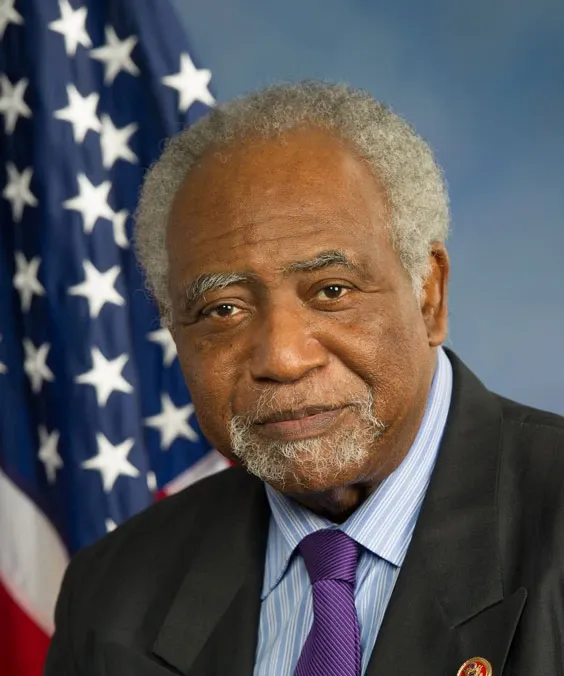
Barack Obama
The Public Record
Barack Obama served as the 44th President of the United States from January 20, 2009, to January 20, 2017. A member of the Democratic Party, he previously represented Illinois in the U.S. Senate from 2005 to 2008 and served in the Illinois State Senate from 1997 to 2004. Obama is known for his signature policies including the Affordable Care Act, also known as Obamacare, and his efforts in economic recovery following the 2008 financial crisis. His presidency was marked by significant legislative achievements and a focus on healthcare reform, climate change, and foreign policy initiatives such as the Iran nuclear deal.
Jul 20, 2009
We are closer than ever before to the reform that the American people need, and we're going to get the job done.
Jul 20, 2009
I do appreciate listening to country music because like all Americans, I appreciate the broad and indelible impact that country has had on our Nation.
Jul 19, 2009
There is a certain portion of the Republican Party that views this like they saw '93, '94. The last time there was a major health reform effort, they explicitly went after the Clintons, said, 'We're not going to get this done.' That went…
Jul 19, 2009
There is a certain portion of the Republican Party that spews this like they saw '93 and '94. The last time there was a major health reform effort they explicitly went after the Clintons, said we're not going to get this done. That went…
Jul 19, 2009
I will finally keep the promise of affordable accessible health care for every single American.
Jul 19, 2009
So let's fight our way through the politics of the moment. Let's pass reform by the end of this year.
Jul 19, 2009
So, let's fight our way through the politics of the moment. Let's pass reform by the end of this year.
Jul 19, 2009
You won't have to worry about one illness leading your family into financial ruin.
Jul 19, 2009
We can't afford the politics of delay and defeat when it comes to health care.
Jul 19, 2009
I am pleased to transmit to you a report required by section 104(g) of the Henry J. Hyde United States-India Peaceful Atomic Energy Cooperation Act of 2006.
Jul 19, 2009
We spoke about some of the strains on our health care system and some of the strains our health care system places on parents with sick children.
Jul 18, 2009
In some ways, African-Americans are more fundamentally rooted in the American experience because they don't have a recent immigrant experience to draw on.
Jul 18, 2009
I think that there is a special sense for African-Americans of somehow connecting up with a part of yourself that you might not have even been aware was there.
Jul 18, 2009
The capacity for cruelty still exists, the capacity for discrimination still exists, the capacity to think about people who are different not just on the basis of race but on the basis of religion or the basis of sexual orientation or…
Jul 18, 2009
I think it's important that the way we think about it and the way it's taught is not one in which there's simply a victim and a victimizer, and that's the end of the story.
Jul 18, 2009
You look at the extraordinary gap in per capita income that exists now, what that tells me is that there were a lot of opportunities lost, and we can't afford another 40 or 50 years in which Africa loses those opportunities.
Jul 18, 2009
I think it's a major problem. If you look at the history of the last several decades, I think what's fair to say is that Africa has not made as much progress because ruling elites have not thought about reinvesting what resources these…
Jul 18, 2009
What a profound sorrow must have been felt as people were hauled off into the great unknown.
Jul 18, 2009
You know, when I think about these development issues, they're not abstractions to me. I can put a face and a name to what people are going through.
Jul 18, 2009
After all, I have the blood of Africa within me, and my family's own story encompasses both the tragedies and triumphs of the larger African story.
Politicians like Barack Obama