Mar 21, 2023
I want to make it clear. We are not talking about trying to reduce benefits in Medicare or Social Security for our seniors.
The Public Record
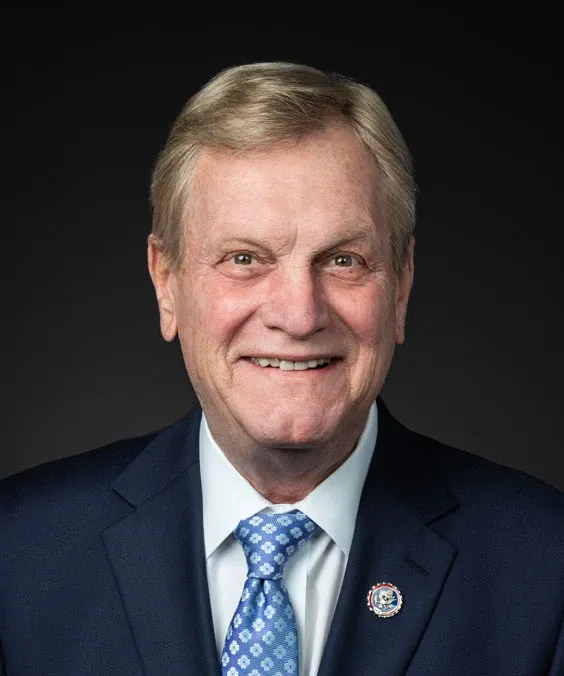
Mike Dean Crapo is an American politician serving as the senior United States senator from Idaho, a position he has held since 1999. A member of the Republican Party, Crapo has focused on various issues including tax policy, healthcare, and trade. He has been an advocate for making the 2017 Trump tax cuts permanent and has expressed support for targeted tariffs to protect American interests.
I want to make it clear. We are not talking about trying to reduce benefits in Medicare or Social Security for our seniors.
I want to make it very clear. The Republicans are asking for negotiations on the debt ceiling process, to add some fiscal restraint into the debt ceiling extension.
We will look for every innovative approach, every pathway possible to make sure that, one, we can put a safe and effective drug in front of the American people.
Without further action, however, these policies will expire at the end of 2024, creating a coverage cliff for tens of millions of seniors across the country.
Unfortunately, this administration has taken unprecedented steps to erode this pathway, deterring lifesaving innovation and delaying access to care.
The Federal Government should focus on supporting States as they work to return Medicaid to post-pandemic normalcy.
Instead of turning to a one-size-fits-all solution, we should look to proven models for Federal programs, such as Medicare Advantage.
Well, thank you. And encourage us as strongly as you can to get that legislatively done.
I encourage you to look at this carefully, and if you have not already done it, to conduct an impact analysis.
I would like to express my concern about numerous proposals in the Green Book.
So, do you agree then that it is a liquidity risk that we are dealing with in this issue?
We must engage in negotiations to get over some of these disagreements, and this new debt ceiling resolution must include fiscal restraint.
I interpret your answer to be that you are very willing to discuss the President's budget, tax increases, and increased spending, but you are not willing to discuss, with regard to the debt ceiling discussion, any actual fiscal restraint…
We must stop trying to solve this problem by massive new spending and massive new taxes.
This administration must recommit to working with Republicans to develop real solutions that will stabilize the economy and create higher wages and opportunities for American workers.
It is important to learn more about what initiated the run on Silicon Valley Bank.
Once started, moral hazard, like inflation, is not easily contained and does long-lasting damage.
I would like to express my concern about numerous proposals in the Green Book.
We must engage in negotiations to get over some of these disagreements, and this new debt ceiling resolution must include fiscal restraint.
So, do you agree then that it is a liquidity risk that we are dealing with in this issue?
Politicians like Mike Crapo