Mar 30, 2023
Congress took a critical step toward addressing these challenges nearly 20 years ago, when we voted to enact Medicare's prescription drug benefit or Part D.
The Public Record
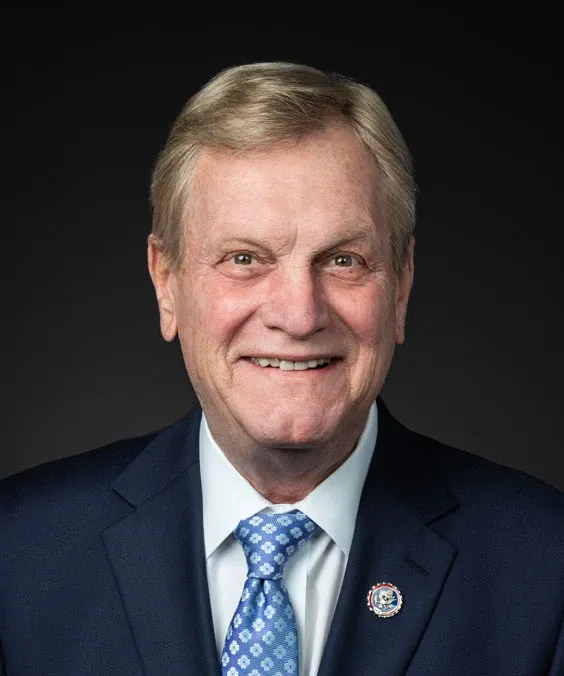
Mike Dean Crapo is an American politician serving as the senior United States senator from Idaho, a position he has held since 1999. A member of the Republican Party, Crapo has focused on various issues including tax policy, healthcare, and trade. He has been an advocate for making the 2017 Trump tax cuts permanent and has expressed support for targeted tariffs to protect American interests.
Congress took a critical step toward addressing these challenges nearly 20 years ago, when we voted to enact Medicare's prescription drug benefit or Part D.
In many ways, Medicare Part D reflects an unprecedented success story, coming in massively under budget, with low and stable monthly premiums--and with a generic drug dispensing rate of roughly 90 percent.
We need to identify avenues for lowering out-of-pocket costs, increasing competition, and promoting access to lifesaving innovation--and we need to do so in a fiscally responsible manner.
That said, much has changed in the past 2 decades, and we have an obligation both to build on the aspects of Part D that work well and to address access and affordability gaps where we find them.
I have long championed efforts to improve prescription drug access and affordability for Americans, and I welcome the opportunity to engage in this vitally important bipartisan hearing.
Today, I am introducing legislation called the Lower Drug Costs for Families Act, and what it will do is penalize pharmaceutical companies for increasing the price of their drugs faster than the rate of inflation.
When we talk about the need for greater transparency in the drug supply chain, that term can and should mean a few different things.
Congress took a critical step toward addressing these challenges nearly 20 years ago, when we voted to enact Medicare's prescription drug benefit or Part D.
I have long championed efforts to improve prescription drug access and affordability for all Americans.
Some of the most lifesaving medications remain out of reach for far too many working families and seniors.
NACDS appreciates the Committee's work to explore PBMs' lack of transparency and standardized performance measures.
That said, much has changed in the past 2 decades, and we have an obligation both to build on the aspects of Part D that work well and to address access and affordability gaps where we find them.
We need to identify avenues for lowering out-of-pocket costs, increasing competition, and promoting access to lifesaving innovation--and we need to do so in a fiscally responsible manner.
In many ways, Medicare Part D reflects an unprecedented success story, coming in massively under budget, with low and stable monthly premiums--and with a generic drug dispensing rate of roughly 90 percent.
Today, I am introducing legislation called the Lower Drug Costs for Families Act, and what it will do is penalize pharmaceutical companies for increasing the price of their drugs faster than the rate of inflation.
Congress took a critical step toward addressing these challenges nearly 20 years ago, when we voted to enact Medicare's prescription drug benefit or Part D.
When we talk about the need for greater transparency in the drug supply chain, that term can and should mean a few different things.
I have long championed efforts to improve prescription drug access and affordability for all Americans.
Some of the most lifesaving medications remain out of reach for far too many working families and seniors.
Politicians like Mike Crapo