Nov 21, 2013
The status quo means Government control of nearly all of our Nation's mortgage-backed securities market, stifling financial innovation.
The Public Record
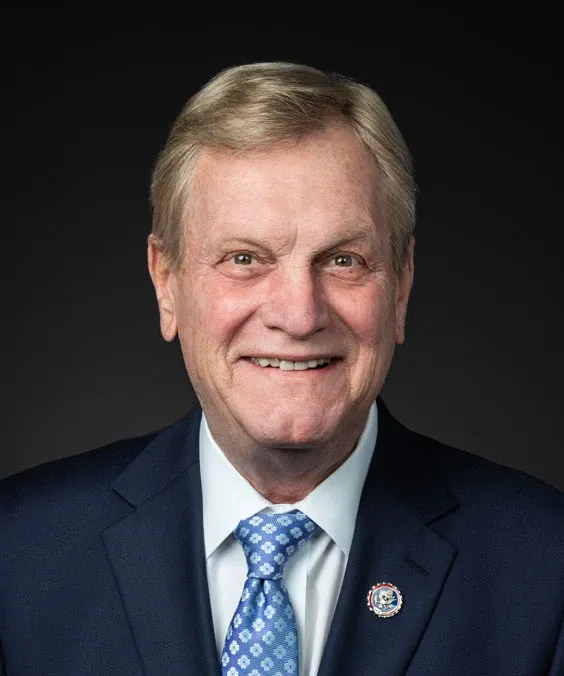
Mike Dean Crapo is an American politician serving as the senior United States senator from Idaho, a position he has held since 1999. A member of the Republican Party, Crapo has focused on various issues including tax policy, healthcare, and trade. He has been an advocate for making the 2017 Trump tax cuts permanent and has expressed support for targeted tariffs to protect American interests.
The status quo means Government control of nearly all of our Nation's mortgage-backed securities market, stifling financial innovation.
These realities prove that inaction carries its own dangers in our housing market, as does action that merely gives the appearance of change without recognizing the mistakes of the past.
The status quo means little, if any, reduction in the $5 trillion of outstanding mortgage debt to which the taxpayer is currently exposed.
The issue of how we transition into a future system is one of the most important topics we will cover in this series of housing finance reform hearings.
We cannot afford to return to the days of weak regulatory oversight of the secondary mortgage market.
As we address this important issue, we must not return to the flawed politics of the past.
The President promised, if your family makes or earns less than $250,000 a year, you will not see your taxes increased a single dime.
The President promised, we can cut the average family's premium by about $2,500 a year.
The explicit guarantee will provide certainty to the market, especially for investors who will need to be enticed to invest in the MBS.
The Government's model, make sure that all voices are heard and everybody has a voice.
If Congress passes housing finance reform without getting small lender access right, it will be the homebuyers in rural and underserved areas who pay the price for that mistake.
This issue is important since small lenders represent the lifeblood of many communities across America, and especially rural communities in Idaho and elsewhere.
We must ensure that the taxpayer is standing only behind mortgages that meet strong underwriting standards.
We must ensure that there is adequate private capital taking the first loss at the security level if we are to avoid the future taxpayer losses.
We need to move toward a more limited role for the Federal Government and bring private capital back into the housing market.
If we are going to consider options for reforming the housing finance system that include a taxpayer guarantee, we must ensure that the taxpayer is only guaranteeing mortgages that meet strong, basic underwriting standards.
A reformed housing finance system can help consumers achieve their dream of home ownership, but this must be done responsibly.
The policies we choose to adopt during this process will determine not only the sustainability of a robust housing market, but also the future economic opportunities for millions of American families and individuals.
Failing to meet these two critical objectives will increase the risks and costs to both taxpayers and consumers.
Home ownership is central to our Nation's economy, offering financial and social benefits for families, communities, and the country as a whole.
Politicians like Mike Crapo