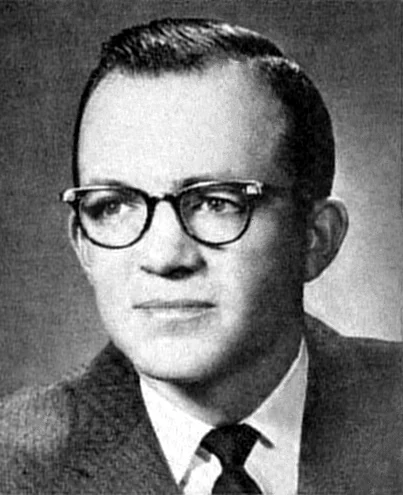
Tom Vilsack
The Public Record
Tom Vilsack is an American politician and attorney who has served as the United States Secretary of Agriculture since March 2021. He previously held the same position from January 2009 to January 2017 under President Barack Obama. Vilsack's tenure has focused on issues such as food security, rural development, and agricultural sustainability. He has been a prominent advocate for the Supplemental Nutrition Assistance Program (SNAP) and has emphasized the importance of supporting farmers and rural communities.
Jan 19, 2022
It is absolutely vital. It is absolutely essential, and I would say it is going to require some political encouragement.
Jan 19, 2022
I think there is still an opportunity and a hope that there is enough bipartisan support to get this passed.
Jan 19, 2022
That is absolutely one of the priorities and one of the areas that we are focused on.
Jan 19, 2022
We have also provided $100 million of what we refer to as reach and resiliency resources for food banks across the country
Jan 19, 2022
We are looking forward at some point in time early in 2022 in announcing a Healthy Food Financing Initiative
Jan 19, 2022
I appreciate the opportunity to be here today, and also to Representative Thompson, thank you for the opportunity to appear before the Committee.
Jan 19, 2022
The key here, Representative, is to make sure that we get it done as quickly as possible.
Oct 19, 2021
U.S. agriculture secretary, former Iowa governor, Tom Vilsack, is planning to visit the picket line at the John Deere plant north of Des Moines in Iowa.
Jul 28, 2021
In the pandemic, we found that our food system and our food supply system, while it is incredibly efficient, is not resilient.
Jun 14, 2021
This is the first time in 45 years that this fundamental basis of the SNAP program has been reviewed.
Jun 14, 2021
We do need the support and help that is, I think, inherent in the American Jobs Plan that would provide significantly greater resources.
Jun 14, 2021
We are trying to provide as much help as possible to as many people as possible.
May 23, 2021
The U.S. department of agriculture was set to payoff farm loans of nearly 13,000 black, Hispanic, indigenous and other ranchers.
Feb 24, 2021
We have to make sure we lift up the messaging in terms of American agriculture.
Politicians like Tom Vilsack