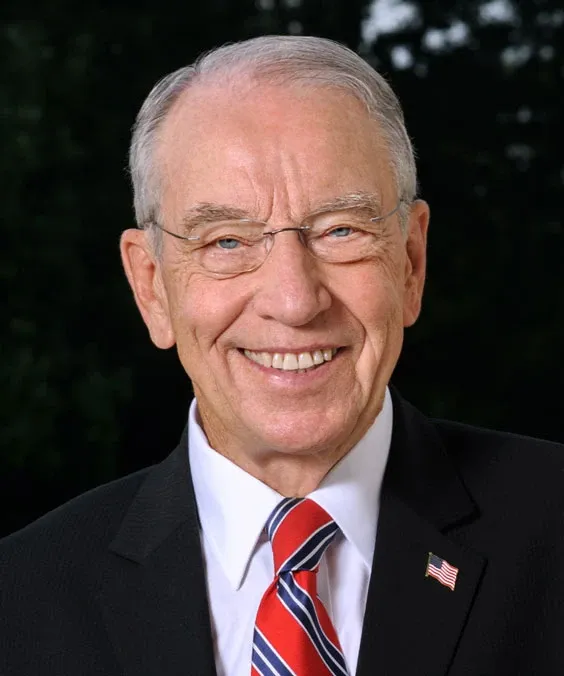
On the recordJanuary 11, 2007
As I am listening to this dialogue that we have going on here and I start to think about, you know, a lot of us see this broader economy, we see this multi-trillion GDP that we have, and we see the components of small businesses, large businesses, family farms, and these operations that are going on, the interrelationships of them. Some families run more than one business. And I have taken the position, and many of us have, that whenever you raise the minimum wage, ultimately you will lose jobs. We understand this, and we have made this argument and this debate, and we will continue to make this argument and this debate. But I am going to say the people who voted for this minimum wage, at least the people who supported the idea of exempting American Samoa from the minimum wage, can only understand this law of supply and demand and this argument that is a fundamental, basic economic principle that when you mandate an increase in wages, the employer will have to make a decision as to whether to keep those employees or not or to lay them off and maybe move their operations elsewhere, or bring some machinery in to replace the labor. The inevitable result of raising a minimum wage is the loss of jobs.
Source
govinfo.gov