Apr 26, 2023
The Dobbs decision did unleash a torrent of uncertainty throughout the United States.
The Public Record
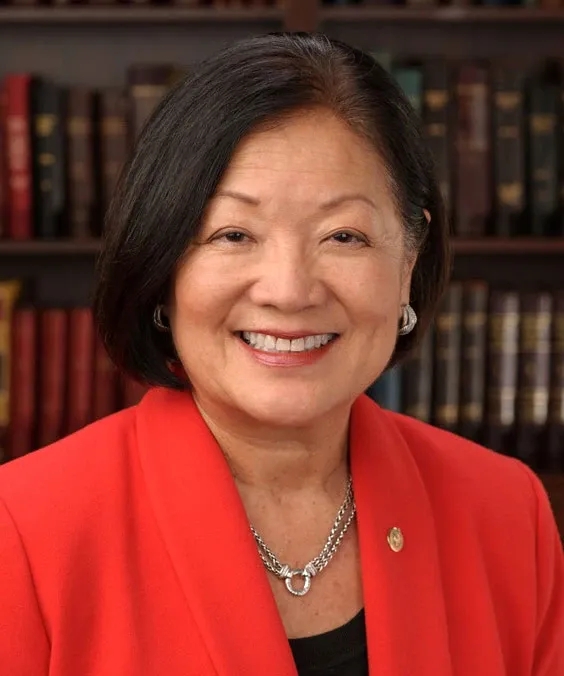
Mazie K. Hirono is a United States Senator from Hawaii, serving since 2013. A member of the Democratic Party, she is the first Asian-American woman elected to the Senate and the first female senator from Hawaii. Hirono has been an advocate for various issues, including veterans' affairs, healthcare, and immigration reform. She currently serves on multiple Senate committees, including the Veterans Affairs Committee, where she emphasizes the importance of bipartisanship in addressing veterans' needs.
The Dobbs decision did unleash a torrent of uncertainty throughout the United States.
One of the other things that President Biden has said is that he wanted to make sure that people in disadvantaged communities are able to benefit from the job opportunities and to reduce pollution from the national transition to clean…
The Infrastructure bill, the CHIPS and Science Act, and the IRA are historic investments in our country's infrastructure...
The bills that we have enacted... are critical, and of course, research in all aspects of electric vehicles and also charging stations.
I think that does it for this hearing. And I have to say, trial lawyers may have influence but apparently not as much influence as the NRA around here.
I think there needs to be criminal prosecution of these. Probably they just keep doing it because a fine, I do not think, is enough deterrence.
A common practice among scammers and predatory creditors is to threaten to contact chain of command if a servicemember does not comply with their demand.
If there are certain things, certain kinds of information that we, particularly as members of this Committee, because we are very committed to helping our veterans, if there is certain kinds of information that we should make available to…
So once it is reported, though, is there any kind of prosecution that happens through the reporting?
We know that there are certain groups of people in our communities that are targeted for scammers and for all kinds of bad acts, including identity theft, et cetera.
It is one thing to report, but it is another for them to be able to shut it down on their own.
We often talk in this Committee about the need for better collaboration between DoD and VA when it comes to improving the well-being of veterans in the long term.
We must message this to them. We must give them tools. We must give them data. We must help them.
So, you're basically saying it is the Chinese government itself, or certainly an entity that is supported by the Chinese government, that is the beneficiaries.
Our IP system has long been the engine that drives American leadership and innovation, and we must ensure that our system encourages American innovation and does not allow bad actors to stifle or steal it.
Going after professors on shoddy evidence will hurt, not help, American innovation by sending the best minds elsewhere.
It is important to deter Chinese government wrongdoing and prosecute espionage and theft, but our concern is with the Chinese government and not with the Chinese people.
The Chinese government has undertaken a widespread and systematic campaign of stealing American intellectual property to advance the Chinese economy.
So would you support the establishment of a joint natural infrastructure science program, because I find that working with universities, or, in fact, even with students in high school and in earlier grades where they are exposed to these…
We are always looking for new opportunities to strengthen those relationships.
I am a big supporter of internships and fellowship programs to really give people the experience within government.
Investing in the modern electrical grid will play a key role in ensuring reliable power, higher levels of renewable power, and lower energy bills.
Politicians like Mazie K. Hirono