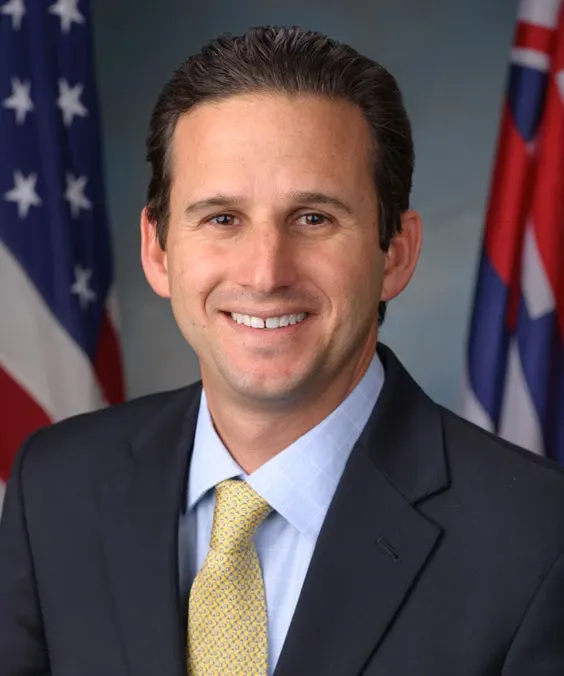
Daniel Inouye
The Public Record
Daniel K. Inouye was a prominent Democratic politician from Hawaii who served as a U.S. Senator from 1963 until his death in 2012. He was the first Japanese American to serve in the U.S. Congress and was a decorated World War II veteran, receiving the Medal of Honor for his bravery in combat. Inouye played a significant role in various legislative efforts, particularly in areas related to civil rights, healthcare, and military affairs. He was known for his commitment to improving the lives of his constituents and advocating for Hawaii's interests on a national level.
If we let this fester any longer, it would be criminal, and I would hate to be a witness to its first accident.
We must relieve the stress on this force, and we believe our plan is designed to do that.
Are we doing any research to, for example, protect the foot and ankle or the hands and wrists?
The major concern that this committee has can be said in two words, retention and recruiting.
I wish to begin by congratulating the Secretary and the General for the performance of the men and women in the Air Force in Iraq, Afghanistan, and other places around the world.
Well, I agree with the chairman that a strong family system equals a strong military.
The military has done well in developing body armor technology, and as a result, comparatively there are very few thoracic injuries.
Time and time again, the extraordinary ability of our men and women in uniform and all the people who work to support them has been demonstrated.
Mr. Secretary, your stated submarine force structure calls for 55 boats, but it appears that by 2020, we may have about 30.
I am glad that the chairman brought up the matter of shortfalls in military medicine and health care because in all the studies that we have looked at men and women in uniform are more concerned about health care than pay.
Recently our attention has been focused on prisoner abuse. Would your studies have been able to detect flaws in one's character?
I find that there are two elements involved in the development of a combat soldier. One is morale, naturally; and the other is the sense of belonging to a unit.
But now that we are engaged in this policy, we must simply find a way to see it through to a successful and swift conclusion.
I am pleased that the Army is responding to the stress of overseas deployments by temporarily increasing end strength by 30,000.
The following two words are ones that we hear quite often in the political arena: 'exit plan.'
Integration began in the Army. That is the first place. It was not the Interior Department or any other Department; it was the Army.
Does the administration have any exit plan for a time when we might be reducing these temporary forces?
I absolutely do not believe that LHA(R) is just a repeat of the LHDs that we have today.
I, for one, am very concerned about the long-term effect it will have on our military recruiting and retention.
Are you considering expanding the military if we find ourselves having to involve ourselves in all these activities?