Mar 22, 2023
It seems to me in far-flung, places you can really provide high quality care for a lower cost.
The Public Record
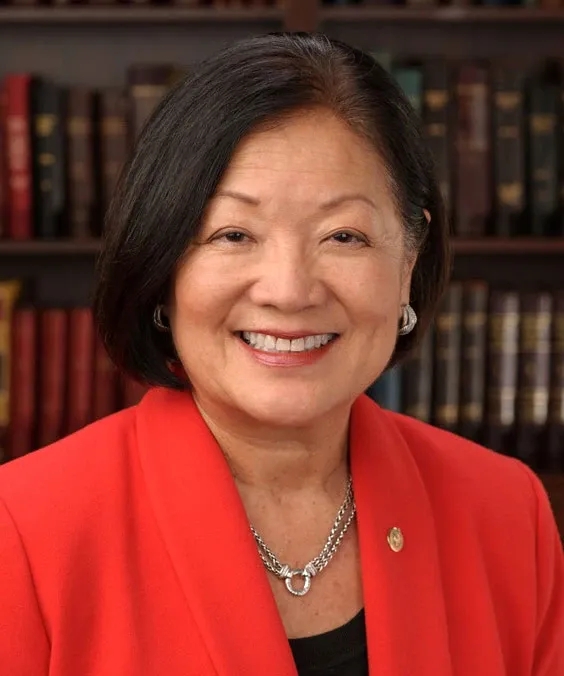
Brian Emanuel Schatz is an American politician serving as the junior United States senator from Hawaii since December 26, 2012. A member of the Democratic Party, Schatz has focused on issues such as climate change, healthcare, and education during his time in office. He succeeded Daniel Akaka and has been an advocate for renewable energy and environmental protection, reflecting Hawaii's unique ecological challenges and opportunities.
It seems to me in far-flung, places you can really provide high quality care for a lower cost.
I think on climate we have an absolute responsibility, and we are acting on it, to try to provide the technical assistance, the technology and, yes, the resources to deal with this, particularly for countries that, literally, risk not…
But the truth is, some of these people need immediate assistance because they can't drink the salt water, and their runways are flooding.
I would like you to talk through how, attitudinally, we are shifting, and not just throwing another, say, $80 million at the problem.
I welcome the budget's focus on democracy and human rights, and particularly robust funding for promoting press freedom.
The less precipitous, but just as bad scenario, is saltwater inundation of the freshwater systems.
I think there are some cases, Kiribati is a good example where they really might vanish.
I welcome the budget's focus on democracy and human rights, and particularly robust funding for promoting press freedom.
I think you have the wisdom of having come from the Legislative Branch and also just understanding that whatever thicket of processes and procedures and rules and laws that you inherited is not your fault and so you might as well be the…
It'd be one thing if we're having a conversation about fiscal discipline or whatever it is, but the way to exert fiscal discipline is to have a program, have accountability not just to spend the money after a bunch of suffering.
I think what we did was sort of cannibalize our budget and not make enough of an impact for it to be worth it.
I want to sort this and track it and I want my staff to have a sort of shared spreadsheet, if you will, so we can work this together because I don't think this is a partisan question.
The question is whether or not we have a permanent authorization to do it in an intelligent, predictable, responsive, accountable way.
Thank you very much, Mr. Secretary. Thank you for your testimony today. Thank you for your partnership with this committee.
On a bipartisan basis, we made the right decision to fix our aging infrastructure and begin taking steps to adapt to climate change.
The model here is the DOD, right. The DOD doesn't get to have an opinion necessarily about climate action.
Buy American has been the law of the land since 1933, but for far too long, past Administrations have found a way to get around it. Not anymore.
I know you appreciate the importance of infrastructure and housing in your home State, and we have already talked about some of these priorities.
Politicians like Brian Schatz