Jul 25, 2023
This topic is about saving people money, creating an economy that works for all Americans.
The Public Record
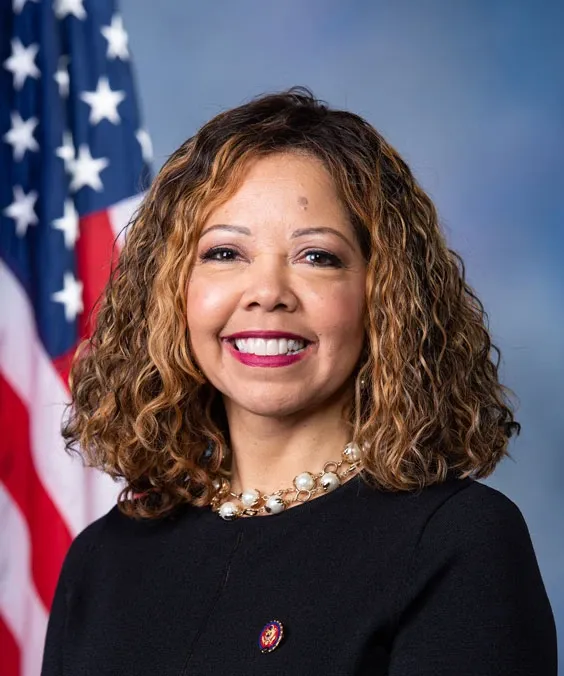
Raphael Gamaliel Warnock is an American pastor and politician currently serving as the junior United States senator from Georgia since January 20, 2021. A member of the Democratic Party, Warnock is the first African American to represent Georgia in the U.S. Senate. He previously served as the senior pastor of Ebenezer Baptist Church in Atlanta, a position that has deep historical significance in the civil rights movement. Warnock's legislative focus includes issues such as voting rights, healthcare, and economic justice.
This topic is about saving people money, creating an economy that works for all Americans.
I look forward to their suggestions about how we strengthen regulations to protect consumers.
The profit motive, when it is the sole basis of an economic system, encourages a cutthroat competition and selfish ambition.
Lowering or eliminating onerous fees is something I will keep pushing for through legislation.
Our men and women in uniform should be focusing on their missions and caring for their families.
These fees provide no economic value. They are a drag on the American economy, and business school economists call this, quote, 'rent seeking.'
I believe that increasing program transparency and data integrity of the LIHTC program would further underscore the program's record of success.
Lack of inventory, availability of affordable housing for people in general, particularly marginalized populations.
We have got a lot of work to do, and that is why last year I introduced the Housing Market Data Transparency Act.
It is concerning when the Administration wanted to change the low level pricing for families, that you are essentially taxing the American dream.
I believe that increasing program transparency and data integrity of the LIHTC program would further underscore the program's record of success.
Lack of inventory, availability of affordable housing for people in general, particularly marginalized populations.
We have got a lot of work to do, and that is why last year I introduced the Housing Market Data Transparency Act.
Thank you, but it is concerning when the Administration wanted to change the low level pricing for families, that you are essentially taxing the American dream.
I believe that increasing program transparency and data integrity of the LIHTC program would further underscore the program's record of success.
Lack of inventory, availability of affordable housing for people in general, particularly marginalized populations.
We have got a lot of work to do, and that is why last year I introduced the Housing Market Data Transparency Act.
We have before the Committee three outstanding and historic nominees to the Federal Reserve who are all eminently qualified.
Georgia banks are sound in terms of their expertise to lend to their communities, but they are having to carefully navigate higher rates.
We have before the Committee three outstanding and historic nominees to the Federal Reserve who are all eminently qualified.
We have before the Committee three outstanding and historic nominees to the Federal Reserve who are all eminently qualified.
I think you are right about the importance of community banks, and just to push a little more, so what support has the Federal Reserve provided small lending institutions in the wake of these collapses?
Georgia banks are sound in terms of their expertise to lend to their communities.
Congress, it seems to me, and the CFPB must ensure that those just trying to achieve the dream of home ownership are not instead signing up for a nightmare.
Politicians like Raphael Warnock