Nov 13, 2019
We must ensure that these investments are made with the long-term impacts of climate change in mind.
The Public Record
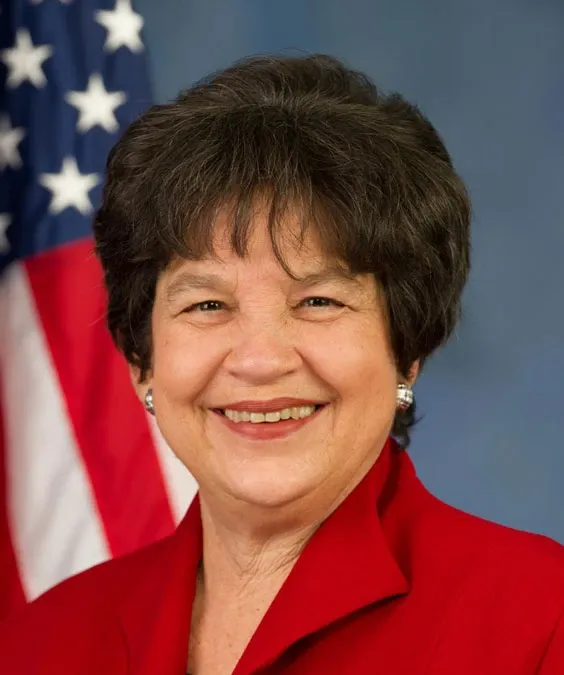
Kathy Castor is a U.S. Representative for Florida's 14th congressional district, having served since January 4, 2007. A member of the Democratic Party, she has been an advocate for various issues, including healthcare, education, and environmental protection. Throughout her tenure, Castor has worked on initiatives aimed at improving access to healthcare and addressing climate change. She has also focused on education reform and supporting local communities in Florida.
We must ensure that these investments are made with the long-term impacts of climate change in mind.
We have a moral obligation to mitigate and adapt immediately, as we are already seeing the effects of climate change and sea level rise.
The decisions we make today will determine the future we pass on to our children.
I am appearing before the Select Committee on the Climate Crisis to discuss the Energy Sector Innovation Credit Act, as we work in a bipartisan way to ensure future generations have clean air to breath in and clean water to drink.
We all know that climate change will have devastating effects on economic inputs, from agriculture to healthcare to infrastructure, and we need to be making the Federal investments now to understand and address and adapt to climate change.
This is why I will introduce legislation to offer a tax incentive for new clean energy technologies which would increase energy on the grid.
We know that two hurricanes struck Puerto Rico, Maria and Irma, as well as the U.S. Virgin Islands.
I hope your work will prioritize national security, clean energy, and resilient communities.
These coastal communities are literally and figuratively under water. So this will help these well-known, unmet, imminent needs.
We have a real opportunity to use climate-smart infrastructure to prepare for higher sea levels, mitigate the effects of climate change, and protect our communities.
Chairwoman Castor, you could not have said it any better during your opening remarks of the Select Committee's hearing on agriculture last month when you said that farmers are already doing a lot to combat the climate crisis and we must…
If we do not address sea level rise through infrastructure, this salt water intrusion will destroy our only source of drinking water long before Miami is underwater.
As chair of the Interior Appropriations Subcommittee, I will continue to prioritize to address climate change and building resiliency into our fragile ecosystems.
We need to address the reality of climate change if we want to maintain the same quality of life.
To properly address climate change, we will need a whole-of-government approach and all hands on deck.
We have to ensure, as we are developing policies to tackle the climate crisis going forward, that we do not leave folks on the front lines behind.
To the extent that we move to electric airplanes, it will be an important correction.
In Coastal Virginia, climate change is not a problem for tomorrow; it is one we face every day.
Politicians like Kathy Castor