Nov 30, 2011
I believe the U.S. Embassy-Baghdad must be fully resourced in order to successfully perform its mission.
The Public Record
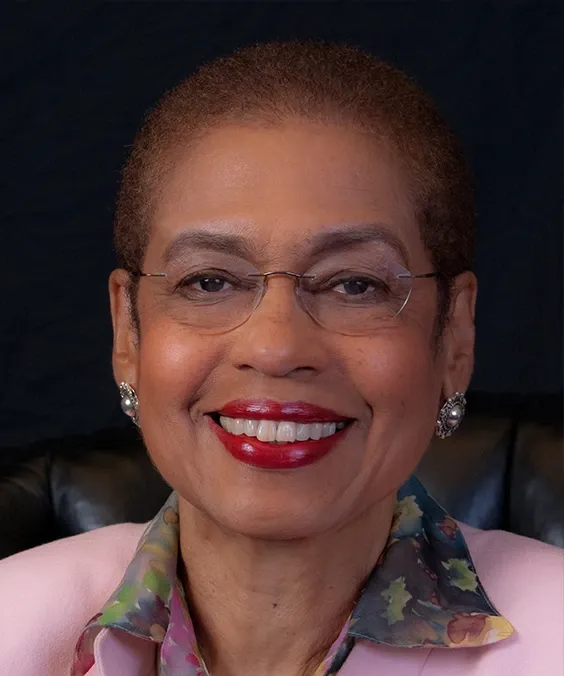
Lloyd J. Austin III is the 28th United States Secretary of Defense, having taken office on January 22, 2021. He is notable for being the first African American to hold this position. Prior to his appointment, Austin had a distinguished military career, retiring as a four-star Army general. He served in various key roles, including as the commander of U.S. Central Command, where he oversaw military operations in the Middle East and South Asia.
I believe the U.S. Embassy-Baghdad must be fully resourced in order to successfully perform its mission.
The responsible drawdown of forces currently taking place is consistent with the U.S.-Iraq Strategic Framework Agreement.
I think that we have the correct policy now, which is to remove all of our combat troops, from Iraq by the end of this year.
Yes, I would recommend approval for a request for U.S. forces that would mitigate the most significant gaps in Iraqi military capabilities.
I believe we are on track to meet the President's stated objective of a responsible drawdown of forces by December 2011.
I think the concept of regular warfare counterinsurgency are keys to the future.
As time goes along, they have to establish a national vision so that we can unify the country.
We're also working with the State Department to transition what we have that can be reasonably transitioned to them, in order to support their missions beyond 2011.
It's important which tasks go where, who has the capacity to execute which tasks, and who will be the ones who will be able to best engage with the Government of Iraq on these tasks.
How we transition and how we do this will have a long-term impact, I think, on our relationship with the Government of Iraq.
The key to executing a responsible withdrawal is ensuring that the Iraqi security forces have the capability to provide for their own internal security.
If their leadership is unable to transfer power in a peaceful manner, that would create conditions that would cause us to, perhaps, revert to sectarian behavior.
I think that, I would be delighted if it could be resolved in a year but----
My assessment, and again, I'll continue to refine this assessment, if confirmed, as I go in, is that we absolutely have the right amount of AABs on the ground.
I think that change was brought about, in large measure, because of the fact that we partnered with the Iraqi security forces.
It's important for us to support Iraq and the process that they have for Iraqis to choose the next government.
I think that what we want and what we're working towards is a healthy, long-term relationship with the country of Iraq.
As we try to conduct our responsible drawdown, and by the end of calendar year 2011, what we're trying to do is stand up capability with the Iraqi security forces as efficiently and effectively as possible.
If confirmed, I would assess the impact of the loss of these resources once I'm on the ground.
While we have achieved progress over the last few years, I am keenly aware that the mission is not without risk, and our work remains unfinished.
A sovereign, stable, and self-reliant Iraq will contribute to the stability in the region, and will be a major ally in our fight against al Qaeda and its extremist allies.
Politicians like Lloyd Austin