Mar 4, 2013
I think the investments we've made in Afghanistan in combating IEDs will pay off in the future.
The Public Record
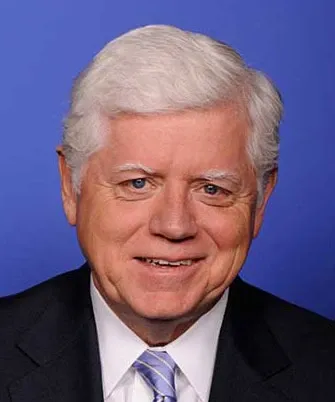
Richard Blumenthal is an American lawyer and politician serving as the senior United States senator from Connecticut since 2011. A member of the Democratic Party, Blumenthal has focused on issues such as consumer protection, healthcare, and veterans' affairs during his tenure. He previously served as the Attorney General of Connecticut from 1991 to 2011, where he gained recognition for his advocacy on behalf of consumers and his efforts to hold corporations accountable. Blumenthal has been an active voice in the Senate, participating in various committees and addressing key national issues.
I think the investments we've made in Afghanistan in combating IEDs will pay off in the future.
Do you note any progress in either protecting troops on the ground or stopping the Pakistani sources of the fertilizer and other components of the bombs?
I think it is a weapon that the enemy will continue to use. It's cheap, it's inexpensive, and it gets them the effect that they want.
The difficulty of withdrawing that equipment from Afghanistan is far, far greater than it was in Iraq.
I deeply appreciate both of your views on both submarines and the JSF because I strongly share the commitment to those programs.
I want to turn now to an area that I think is very important to our national security: our submarine building program.
The urgency of that recommendation is all the more prescient now in the world with the increased building of those submarines by other countries.
I am concerned as much about the threat that North Korea poses in terms of nuclear proliferation over the long-term as the immediate tension and potential threat in the short-term.
China is, I think de facto, the only real, so to speak, ally that North Korea would have.
The ability to move 10 tons of cocaine in a mini-sub, if you have that ability you can also move a nuclear device.
The truly dark edge of the spectrum is WMD and the proliferation of these weapons.
Isn't it a fact that Iran would be greatly disadvantaged if North Korea were not helping it?
Don't we need to continue our sub-building program at the rate we are now of two-a-year to keep pace with what's happening in the rest of the world?
I want to thank you all for your very helpful testimony and for your extraordinary service to our Nation.
I agree with you that our civilian law enforcement authorities... now has been outgunned and outmanned and outresourced by those criminal networks.
I think the thing that all of this illicit activity has in common, whether it's people, drugs, money, or weapons--is this complex criminal network that has grown in size, capacity, ruthlessness, and the ability to find the vulnerabilities…
I think again it's not a bright line in the sand. I think the issue for us will be 12 looks like the right number as we go to the future.
You've referred to it, I think, as the greatest single illegal transfer of wealth in the history of the world.
I don't know how I can go back to the people of Connecticut and say everything's fine, but we're cutting special operations by 10 percent.
The sooner the better that we reverse these cuts so as to avoid the lasting damage to our national security.
Politicians like Richard Blumenthal