Nov 18, 2014
If more than half of our Nation's veterans do not think they are getting better, I believe the focus on whether evidence-based treatments is provided might be misguided.
The Public Record
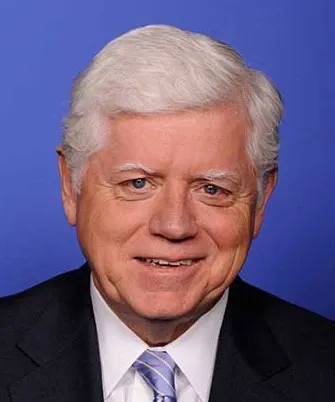
Richard Blumenthal is an American lawyer and politician serving as the senior United States senator from Connecticut since 2011. A member of the Democratic Party, Blumenthal has focused on issues such as consumer protection, healthcare, and veterans' affairs during his tenure. He previously served as the Attorney General of Connecticut from 1991 to 2011, where he gained recognition for his advocacy on behalf of consumers and his efforts to hold corporations accountable. Blumenthal has been an active voice in the Senate, participating in various committees and addressing key national issues.
If more than half of our Nation's veterans do not think they are getting better, I believe the focus on whether evidence-based treatments is provided might be misguided.
While this bill will not fix everything, it is a big step in the right direction, I believe.
What that says to me is that among other age groups, suicide rates have risen dramatically for veterans who use your services, not just women, but men.
The gap that he leaves for his family and children is irreplaceable and the suicide that he suffered was unnecessary and avoidable.
What I find so disturbing is what we will hear today is very similar to what we heard in 2011.
Ms. Barra, will you recommend to the Governor of Texas that he pardoned Ms. Anderson?
You know, with all due respect, that answer really is unworthy of G.M.
We should not be apologizing for voting. We should be applauded for moving forward.
Without strong open Internet protections, those voices will go to the back of the line. This is simply unacceptable and undemocratic.
These important laws are crucial to America's success today by prohibiting collusion, conspiracy, monopoly power, and they evaluate combinations and agreements to preserve competition.
The Internet's incredible economic success has been made possible because it is an open platform.
Thank you. Well, I want to thank all of you for giving us the benefit of your wisdom and insight on this very, very important issue.
It is the most important right, and the Internet is the greatest engine and the greatest platform that history has known for the individual's voice to be heard.
The value of free speech is what distinguishes America, our protections for free speech.
Secretary Hagel, what is the plan for the Department of Defense (DOD) to end the partial mobilization of the Reserve components?
I want to thank you for committing to me, when we first met, that you would do the right thing, and then, in fact, doing the right thing.
MAP-21 required NHTSA to make those bulletins available on its website searchable by the public by 2013.
NHTSA information and interaction with the public over vehicle safety recalls will be vastly improved if more information about recalls and defects is available.
I'd also appreciate any contention in detail that you have disputing the New York Times story.
Isn't that pretty compelling evidence that the current level is inadequate and therefore, that your position that it should be adequately staffed should lead you to say more resources--many more resources--are necessary.
Well, that's the kind of reaction, Mr. Friedman, if I may, I mean no disrespect, but for the ordinary consumer, a car stalling repeatedly on highways or anywhere is a problem.
Politicians like Richard Blumenthal