Jun 16, 2010
I think this may be the seventh hearing the Senate Armed Services Committee has held on it, and what is clear, I think, I'm sure clear to you is in any treaty, a treaty is a compromise.
The Public Record
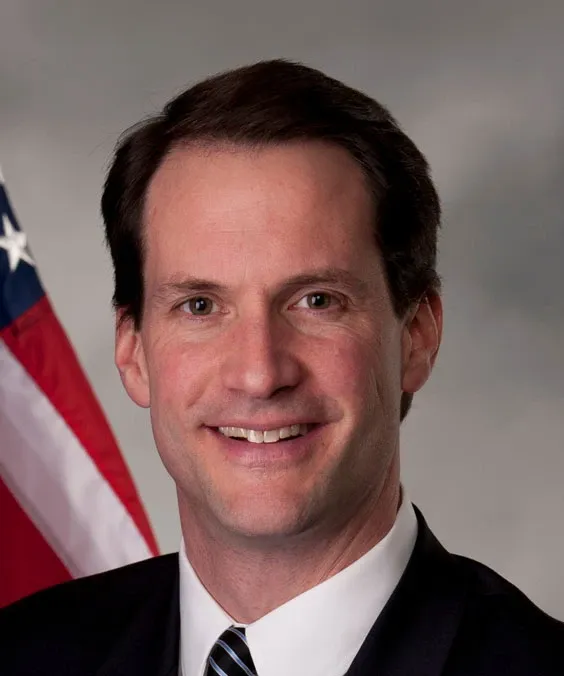
Joseph Lieberman is an American politician and attorney who served as a United States Senator from Connecticut from 1989 to 2013. Initially a member of the Democratic Party, he gained national prominence as the party's nominee for Vice President in the 2000 election alongside Al Gore. After losing the election, Lieberman continued to serve in the Senate, where he became known for his centrist views and willingness to cross party lines, particularly on issues such as national security and energy policy.
I think this may be the seventh hearing the Senate Armed Services Committee has held on it, and what is clear, I think, I'm sure clear to you is in any treaty, a treaty is a compromise.
Most people I talk to, Members in the Senate, would like to get to a point to vote to advise and consent to the New START treaty.
I look upon it as very beneficial from that perspective and potentially very positive transparency regime.
I have had particular concern about the reduction and what is required under the treaty for telemetry exchanges.
There are certain reductions in our verification capacities under the proposed New START treaty from what they were under START.
I think we make the--I understand the difference. We make it harder for our Intelligence Community to gauge exactly what the Russians are developing.
We have put the nuclear weapons program of the United States, NNSA which you direct, under budgetary pressure over the last years.
The New START treaty does cut back in some significant ways, I think, from the verification mechanisms in START I.
The average age of our American NWS is greater than it's been, ever been before?
If the telemetry is not required for verification of the Russians' compliance with the treaty, then why even have five?
I hear you, and I'd say that there are a group of us in both parties who probably would like to continue this discussion with you in the hope that--fiscal year 2012 is the next year, obviously.
I hope to be able to vote to ratify the New START treaty, but for me, and I think for a lot of members of the Senate, there are two lines of questions that we need to have answered to give us that level of comfort.
To me it was quite valuable to us in terms of assessing the capacity of the Russian missiles, which is important for our national security.
I hope in the process that Congress will at least fund to the level that the administration has requested for fiscal year 2011.
Are you concerned that if we don't meet the funding increase goals... you may reach a point where you won't be able to certify the safety, security, and effectiveness of our nuclear stockpile without testing?
Other nations have gone in other directions in the development of their nuclear weapons stockpiles, correct?
Look, we all wish that we lived in a world without nuclear weapons, but wishing does not make it so.
If the funding trends continue it is my judgment that the fundamental premise of stockpile stewardship is at risk.
If Congress fails to provide the increased funding requested in the fiscal year 2011 budget... are you certain that our national laboratories will be able to continue to certify the safety, security, and effectiveness of the smaller…
So that's part of the pressure on us to make the kinds of investments that we're talking about and that the four of you have asked for, correct?
As we reduce the number of deployed nuclear weapons in our stockpile, we have to make sure that, to put it in simplistic terms, they work.
I think you'll hear from all of us that we think this treaty continues the tradition that other treaties have exemplified of making it possible for us to have an understanding with, and legally binding agreements with, the Russians that…
I see this treaty as a vehicle to finally be able to get what we need in the way of modernization.
If this New START is ratified, it will be a small step forward for mankind, but a long way, I'm sure you'd agree, from the dream that people harbor of having a nuclear-free world.
Politicians like Joe Lieberman