Jan 14, 2014
In Syria, we can and should much more aggressively provide militarily-relevant support to non-extremist rebel forces.
The Public Record
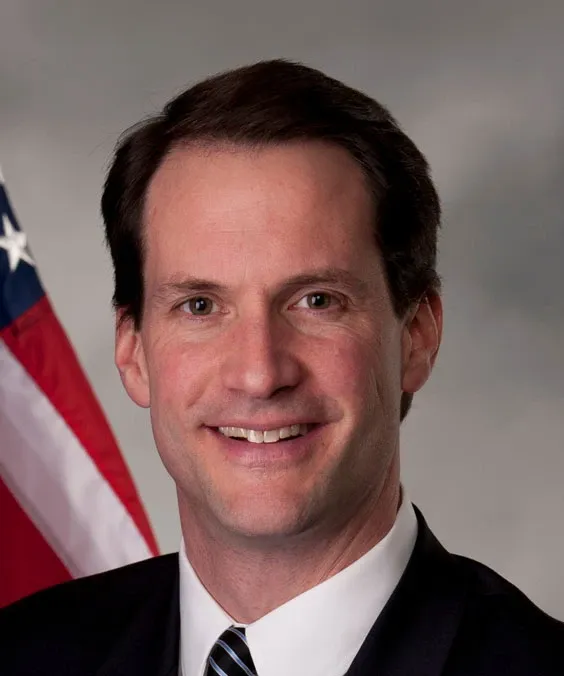
Joseph Lieberman is an American politician and attorney who served as a United States Senator from Connecticut from 1989 to 2013. Initially a member of the Democratic Party, he gained national prominence as the party's nominee for Vice President in the 2000 election alongside Al Gore. After losing the election, Lieberman continued to serve in the Senate, where he became known for his centrist views and willingness to cross party lines, particularly on issues such as national security and energy policy.
In Syria, we can and should much more aggressively provide militarily-relevant support to non-extremist rebel forces.
If we don't at least maintain a presence, we don't help the freedom fighters in Syria.
In Libya, we can put in place, and should, a large-scale, well-resourced U.S.-led effort to build up the new Libyan Army.
Our safety as a Nation is ultimately inseparable from our ability to meet the fullness of the threat.
I believe the goal is to have the bilateral security agreement signed not later than November 2013.
I will provide a copy of my e-mails pertaining to my work on the Homeland Security and Governmental Affairs Committee to the National Archives.
We want rookie police officers who are alert enough to pick out things like that...
In the aftermath of Boston, one of things he was concerned about were Attorneys General's guidelines.
I think that being honest about what we face will make that citizenry more willing to come forward...
I think you shouldn't feel any kind of guilt about going back and examining these situations where we fail with excruciating analysis, because that is the only way we will prevent these things in the future.
I would have treated them both as enemy combatants for the purpose question of questioning endlessly.
I think it is a very, very good point that the reality is that we keep referring to these individuals as isolated acts, single individuals, that is true, they are isolated, single individuals, but they are also connected, it is not as if…
I think it is exceedingly damaging to engage in this fiction that the attack at Fort Hood was workplace violence.
The fact that the FBI is not sharing information with this committee which has jurisdiction over Homeland Security, I think is just totally unacceptable.
I think the FBI has a lot to explain for here and I am not trying to be a Monday morning quarterback.
The fear of incorrectly identifying Tsarnaev as a suspected Muslim extremist might have played a role in not taking all the steps that seemed prudent
The tyranny of political correctness has been extended so far that Major Hasan's actions have been labeled as 'workplace violence.'
We must purge ourselves of the practice of political correctness when it interferes with our rational and intellectually honest analysis
We could try to engage more with moderate, sensible, mainstream members of the Muslim and Islamic community.
Politicians like Joe Lieberman