Jan 23, 2007
I urge you to look as you suggested you might, at an array of different methods you might follow to increase the recruiting.
The Public Record
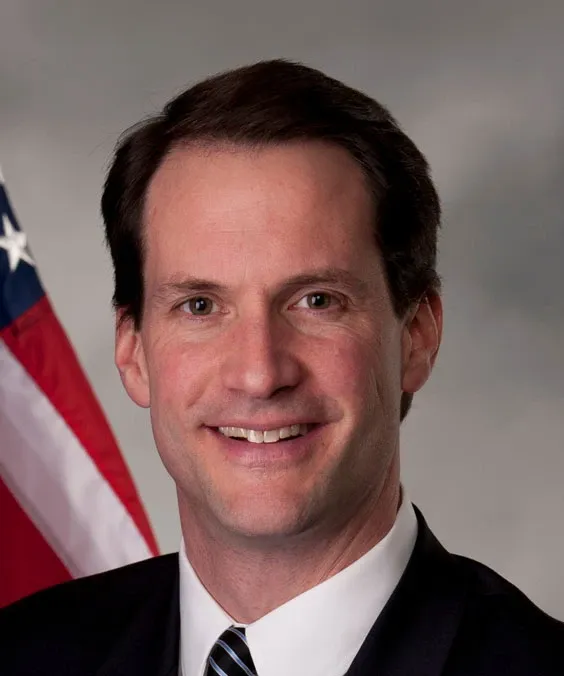
Joseph Lieberman is an American politician and attorney who served as a United States Senator from Connecticut from 1989 to 2013. Initially a member of the Democratic Party, he gained national prominence as the party's nominee for Vice President in the 2000 election alongside Al Gore. After losing the election, Lieberman continued to serve in the Senate, where he became known for his centrist views and willingness to cross party lines, particularly on issues such as national security and energy policy.
I urge you to look as you suggested you might, at an array of different methods you might follow to increase the recruiting.
I will tell you what you know and every time I'm out to see our troops in the field, that they are meeting the call.
We never want to be in a position where our resources determine our strategy instead of our resources being there to meet what our generals on the ground tell us they need to succeed.
The American public's understanding of what we're trying to do in Iraq and how we're doing it is critically important.
I think your appointment, the creation of the position, particularly putting you into it, is going to move us toward better management both of the Iraq and Afghanistan wars and of the rest of our foreign policy.
Either he's going to spend all his time or too much of it on Iraq and Afghanistan and ignore the rest of the world.
History tells us that nations do better when the commander in chief is directly involved day to day in the management of a war.
I don't think the other agencies of the U.S. Government are carrying a fair share of the responsibility today in Iraq.
Therefore, how important it is to do everything we can, within reason obviously, to succeed and avoid failure there?
So therefore I presume you would say that anyone who says that we should pull out of Iraq so we can focus on fighting al Qaeda has missed the point that, in fact, al Qaeda today is our main enemy in Iraq?
I registered concerns that the military surge would likely have only temporary and localized effect unless it were accompanied by counterpart surges by the Iraqi Government and by the other non-military agencies of the U.S. Government.
But the stakes for the U.S. are also high. This region, where America has vital national interests, will not succeed if Iraq and Afghanistan do not succeed, and the U.S. plays a vital role in this cause.
America is at war and the conflicts in Iraq and Afghanistan represent what we in the military call our `main effort in the long war.'
The stakes for these two countries, Iraq and Afghanistan, are high, as they are for all the countries in the region.
I see in Iraq every day a splendid Army. Now, I know that General Schoomaker has problems with the forces yet to deploy...
As the commander, I would resist any type of mandated timetables that would limit my flexibility to deal with the situation on the ground.
So if you were asked a different kind of question, which is whether you believe the situation in Iraq is deteriorating, is it fair to say that you would say it is not deteriorating in most of the country, but is in Baghdad?
So you would say--and do not let me put words in your mouth--that while there have been failures, disappointments, in Baghdad as of today, that the policy that you followed has succeeded in other parts of Iraq?
Am I correct to conclude from what you have said earlier this morning that you support the new military, economic, and political plan for Iraq as the President has announced it?
It seems to me--and I think no matter how we feel, particularly about what's happening in Iraq now here on this panel, and what we think should happen, that most everybody agrees that what's happening in Iraq has regional implications.
Personally, I believe it's the right one. We have good commanders on the ground that we've sent there.
Politicians like Joe Lieberman