Apr 20, 2010
I understand wanting to hew closely to what you think the intent of the law was.
The Public Record
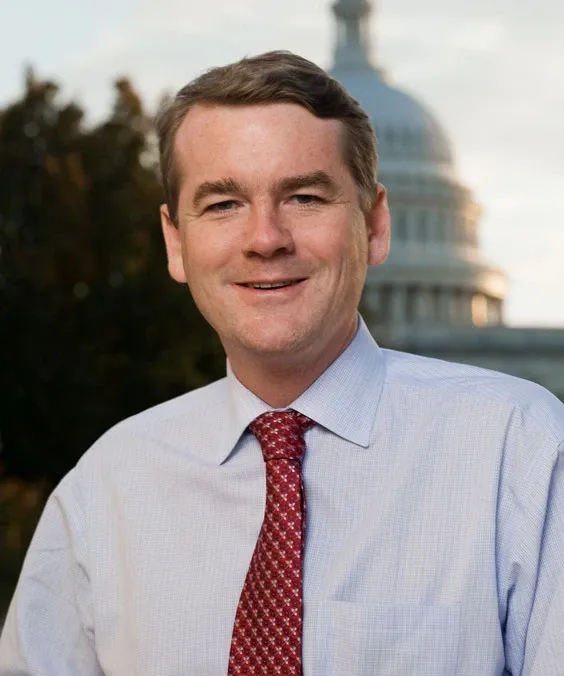
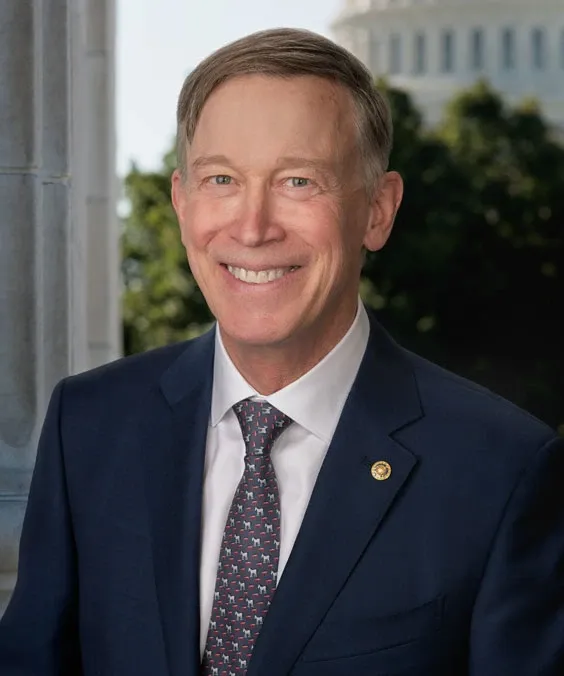
Mark Udall is a former U.S. Senator from Colorado, serving from 2009 to 2015. A member of the Democratic Party, he focused on issues such as environmental protection, gun control, and healthcare during his tenure. Udall was known for his advocacy for designating the Rocky Flats site as a National Wildlife Refuge and for supporting measures to close the gun show loophole. He has also emphasized the importance of safety for children in schools, reflecting his constituents' concerns.
I understand wanting to hew closely to what you think the intent of the law was.
We would like to thank Senator Udall and Senator Risch for their work on this important legislation.
There are certainly those who would suggest there is a difference between timber harvesting and fuel reduction.
This bipartisan bill will provide additional tools and resources to the Forest Service and, to a lesser degree, to the Bureau of Land Management.
I was particularly moved by the comments the Senator made about often organized labor in this country works on behalf of all Americans, all working Americans, and organized labor often does not receive acknowledgment. Sometimes it receives…
I want to start by saying that one of the fundamental roles of the Senate is to advise and consent the President of the United States. We do not even have a chance to advise the President, much less consent, because of the anonymous holds…
I know you're passionate about this. I know we've talked about the very interesting similarities between outer space and inner space, inner space including this area of cyber and cybersecurity.
I think by passing New START we could continue to have those negotiations further about tactical nuclear weapons.
I support the way forward, and I'm going to very carefully study the assessments at the end of this year and as we move forward.
I hold the President responsible, on down through the chain of command, that we'll get the kind of unified team in Afghanistan to make this strategy a successful one.
The potential to generate an escalating conflict is not insignificant, much like we saw during the Cold War era with nuclear weapons.
It seems to me--and I'm thinking out loud, which can be dangerous--that if you have a kinetic environment, say at a forward operating base in Afghanistan, if that base were to be overrun by the enemy in a tactical effort, it would not…
I think these information assurance programs between industry, government, and understanding the full spectrum of threats that we face from individual hackers up to nation states in securing that are going to be key.
But at the same time, I understand there are some vulnerabilities that may arise because of the deployment of the smart grid technologies.
I think the STEM program is something as a country we have to be focused on.
How are you going to convey the seriousness of the threats that now are framed in this geek-speak way?
We can certainly track, for example, if a nuclear weapon is used the perpetrator of that particular attack.
The old doctrine--and it's still in some cases a very effective doctrine--of mutually assured destruction or deterrence certainly could perhaps apply in a cyber war or cyber context when you have nation states.
Enabling the Department to budget and fund over the full life cycle of a contract could expedite and enhance implementation of renewable energy platforms.
If confirmed, I will study this matter and work toward the most expeditious means to pursue such contracts consistent with the requirements of the law.
Politicians like Mark Udall