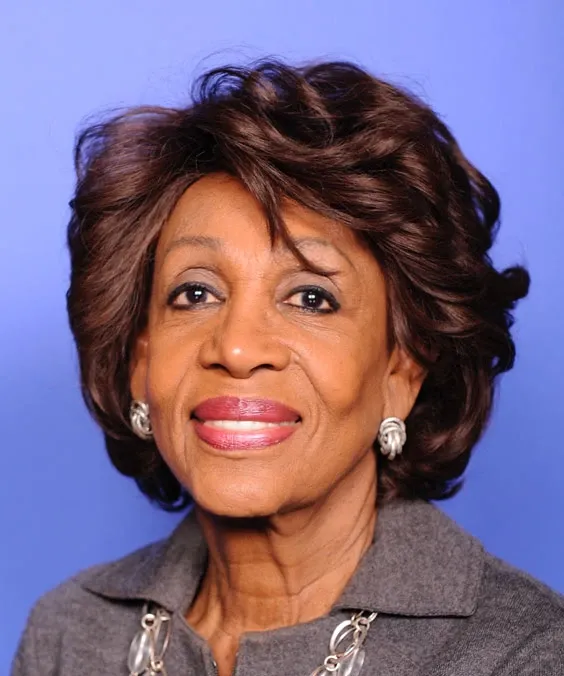
On the recordSeptember 20, 2007
there isn't any dispute about whether a stable and independent Iraq is in our national interest. Some of us disagreed with the way we went to war with Iraq 4 rac{1}{2} years ago. We have disagreed, many of us, with many of the Bush administration's policies in Iraq since then, including ignoring the advice of senior military leaders such as General Shinseki in planning the invasion, failing to properly plan for the occupation and its aftermath, disbanding the Iraqi Army, banning low-level Baath Party members from post-Saddam Government employment, failing to pressure the Iraqi leaders to meet the benchmarks and the timetable they set for themselves and, most recently, increasing the U.S. military presence in Iraq with the so-called surge, when we should be reducing our military presence. But the challenge facing us now, given where we are today, is what is the best way to promote a stable and independent Iraq. Is the course we are on succeeding? So while the opponents of changing course argue that those of us who want to change course don't see the importance of a stable and independent Iraq, they are exactly wrong. We see the importance of it, but we see the current policy is failing to move us in the direction of a stable and independent Iraq. It is the status quo-- staying the course--that jeopardizes the goal of a stable and independent Iraq.
Source
govinfo.gov