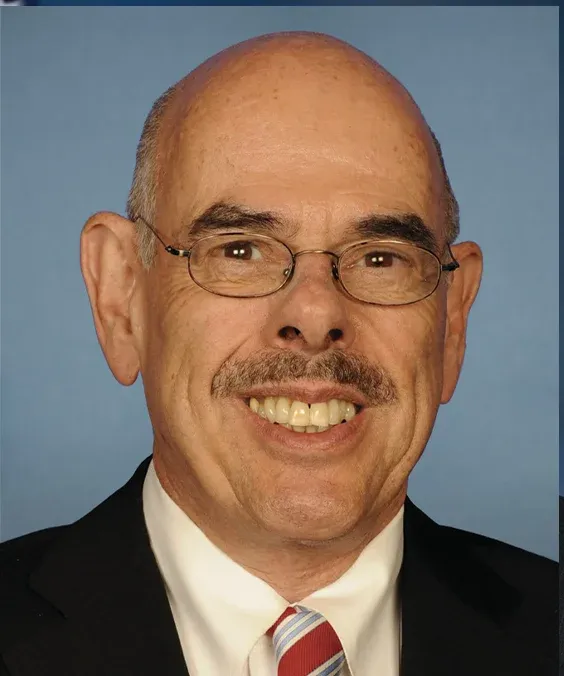
On the recordJuly 26, 2011
Pipeline safety is not a subject that we can afford to take lightly. On September 10, 2010, last year, a natural gas explosion in San Bruno, California, just north of my congressional district in Congresswoman Speier's district, killed eight people, injured dozens of others, and destroyed 55 homes. This was from a natural gas explosion. Since 1938, Congress has attempted to promote natural gas pipeline safety, but the horrific explosions, like the one in San Bruno, California, continue to occur every year someplace in our country. It is a dangerous business under the best of circumstances. To move forward with the tar sands pipeline, which we have little experience regulating, without a solid understanding of the safety issues is an enormous and, I think, dangerous mistake. We have heard strong, well-informed concerns that pipelines carrying tar sands and the chemical bitumen may pose greater safety risks than even those pipelines carrying conventional or synthetic crude. On June 16 of this year, during an Energy and Power Subcommittee hearing on pipeline safety, Cynthia Quarterman, administrator of the Pipeline and Hazardous Materials Safety Administration, known as PHMSA, testified that this agency, specifically tasked with researching and administering pipeline safety, has not analyzed the risks of these new pipelines. But Ms. Quarterman replied, when asked, that the agency would be pleased to make such a review.…