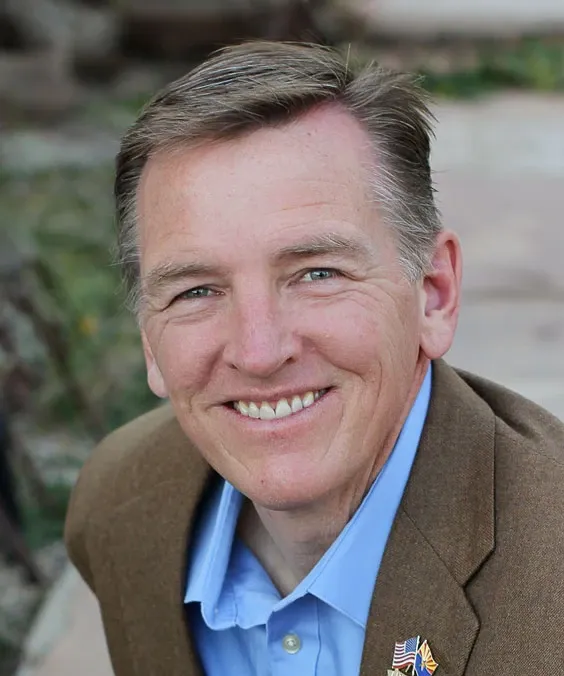
Ultimately, as a medical doctor trying to tailor the best care for your patient, you would be at the mercy of a Federal bureaucrat who would decide which drugs can be used for which purposes. Let me ask this question: let us say someone is sitting home and saying we have to make certain trade-offs. Maybe that has to happen. Somebody has to ultimately decide. Maybe we cannot afford to allow patients to consult with their doctors and decide which drug is right. Do we have any assurance, if the gentleman knows the answer to this question, do we have any assurance that under the Clinton-Gore plan that at least it would be medical doctors as opposed to nondoctor personnel that would be deciding these issues under the Gore plan?
John Shadegg: “Ultimately, as a medical doctor trying to tailor the best care for your patient, you would be at the mercy of a Federal…”
Editor's note · Context
Questioning the decision-making process in healthcare under the Clinton-Gore plan.
Share
More from John Shadegg
I am trying to understand this. So if the Medicare Advantage participants in Arizona who are having their Medicare Advantage cut, and the Medicare Advantage participants in Florida who are not, under the Gator Aid that Senator Bill Nelson…
But wait. But wait. Without a 2,700-page bill, you couldn't hide the Cornhusker Kickback. You couldn't hide the Gator Aid. You couldn't hide the Louisiana Purchase. I haven't even gotten to all of them yet, but go ahead.
Well, it seems to me that while we do not know what the quid pro quo was for any given deal, we know a couple of things: We know the insurance companies went in first and foremost and said, We want an individual mandate. We want the…
No, we don't force people to do that. I guess we do say that if you want to drive in some places, you have to buy auto insurance to insure against damage to somebody else. Right?