May 15, 2017
Enhanced sanctions capabilities that the Obama administration refused to pursue for 8 years.
The Public Record
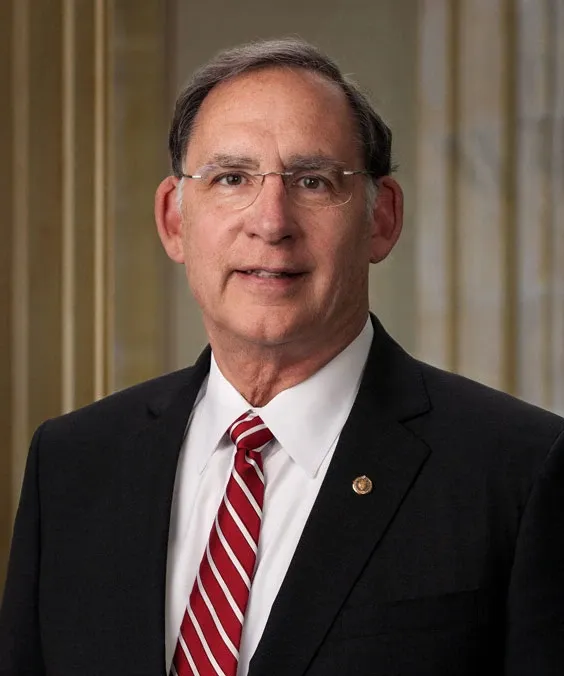
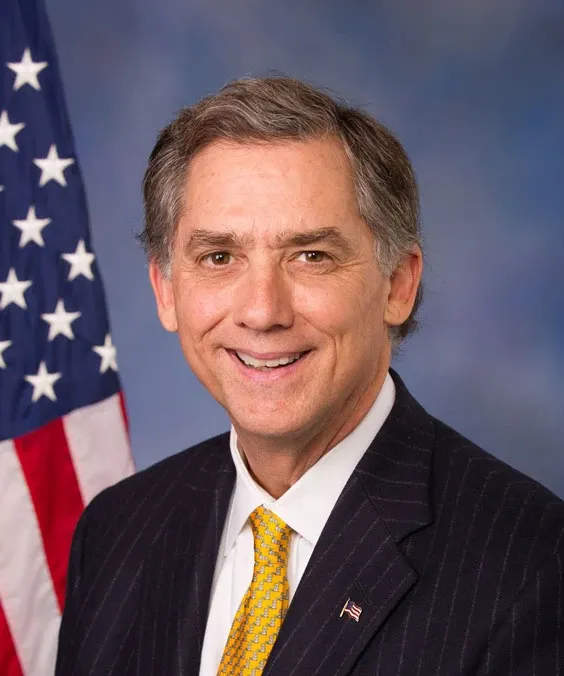
Tom Cotton is an American politician and attorney serving as the junior United States senator from Arkansas since January 2015. A member of the Republican Party, he has been a prominent voice on various national security and foreign policy issues. Cotton is known for his strong stance on military matters and has advocated for a robust U.S. presence abroad, particularly in relation to China and Russia. He has also focused on immigration reform and economic policies aimed at supporting American workers.
Enhanced sanctions capabilities that the Obama administration refused to pursue for 8 years.
We are trying to protect consumers, but as you say, there are real problems that the PACE loan system creates for taxpayers as well.
I would ask that we proceed with caution before producing a report that might infringe on Americans' privacy rights needlessly.
I did not receive any objection from Trump administration officials, to include from our intelligence community.
I personally received calls from high-ranking Obama administration officials asking me to withdraw them from the bill.
Russia was using active measures and covert influence efforts to undermine our nuclear modernization efforts.
We have to begin to not allow the distortion of terms or the outlawing of terms in Hong Kong or anywhere else.
One cannot be faulted for likening Mr. Xi's impending arrival to Hong Kong to that of a Roman emperor inspecting what he views as conquered lands.
I do want to thank you all for taking the time to testify today, but, more importantly, for the work you do to inform the world about Beijing's continued encroachments on human rights and basic freedoms in Hong Kong.
Targeting all illicit conduct by the Russian leadership should be a priority.
I look forward to working with our Ranking Member, Senator Heitkamp, and all of our Members as we use this Committee to highlight the needs of working families and what Congress can do to help them.
Susan Rice is the Typhoid Mary of the Obama administration foreign policy.
Senator Cotton, do you agree that JSTARS Recap is a top modernization priority and that further delay has a negative impact on COCOM requirements?
Lieutenant General Bunch, could the Air Force accelerate the program once the winning bid is determined?
Lieutenant General Bunch, is JSTARS recap vulnerable to delay should Congress fail to pass a Defense Appropriations bill for fiscal year 2017?
Lieutenant General Bunch, given the operational demand for these platforms and the cost of keeping the legacy airframes flying, assuming Congress provides the resources, can you assure me the Air Force will make a decision and move this…
The committee last year increased the cap for bonuses from $25,000 to $35,000. Do you anticipate a request that you'll be increasing the cap further?
Whatever the number is, and I'm pleased to get it to us broken down along those dimensions, would you agree with my first statement that the upshot number is not good for the health of the Air Force and for the security of our nation?
The situation is far from ideal. There is a potential, though, for a full-year continuing resolution for all of fiscal year 2017.
Politicians like Tom Cotton