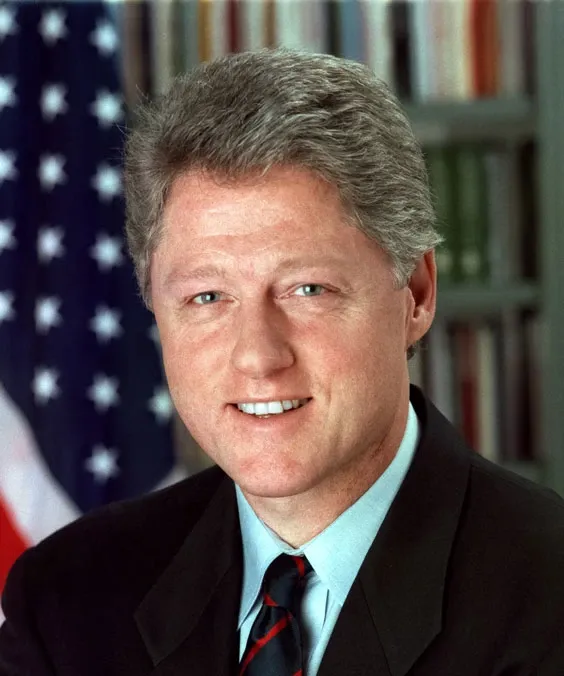
Mark Pryor
The Public Record
Mark Pryor is an American politician who served as a United States Senator from Arkansas from 2003 to 2015. A member of the Democratic Party, he focused on issues such as healthcare, education, and infrastructure during his tenure. Pryor was known for his moderate stance and worked across party lines on various legislative initiatives. He was re-elected in 2008 but lost his bid for a third term in 2014, marking the end of his Senate career.
Apr 27, 2009
Thank you Chairman Pryor and members of the Committee for this opportunity to provide testimony to the Senate Subcommittee on Consumer Protection, Product Safety and Insurance.
Apr 27, 2009
And is it your opinion that we should apply that California law as a national standard?
Apr 27, 2009
I look forward to seeing that study. It should provide Congress, the CPSC, and consumers with information necessary to evaluate steps forward on formaldehyde use in textiles.
Apr 27, 2009
The Subcommittee has been at the forefront of exposing and regulating consumer product risks for years.
Apr 27, 2009
And have the domestically based textile companies--you know, the folks that actually make the domestically-produced textiles here--are they self-regulating in any way?
Apr 27, 2009
I will keep the record open for 2 weeks, for 14 days, and we would encourage our colleagues...
Apr 27, 2009
Because of his efforts, the Commission is now required to focus on public risks that had not received adequate government attention before.
Apr 27, 2009
I look forward to working with you, Mr. Chairman, and with Senator Casey, on not only providing the best consumer protection that we can possibly have, but also the best protection for the consumer dollar that we can have at the same time.
Apr 27, 2009
This will require ongoing, careful Congressional oversight as the new requirements affect every child's product in the stream of commerce.
Apr 27, 2009
I want to thank the panelists. And I certainly want to thank Senator Casey for his leadership.
Apr 27, 2009
Thank you, Senator Casey, and we look forward to your questions and participation in this hearing.
Apr 27, 2009
My question is, first, what are the criteria for deciding whether to order production, and second, when will that decision be made?
Apr 27, 2009
What are the USTR, USDA, State Department, et cetera, doing to try to ensure that our exports of pork products are not affected by this?
Apr 27, 2009
It is essential that we take immediate action to protect the public from this health threat.
Apr 22, 2009
And I will note that my understanding is--I am getting this from just some research I have done--that when the District of Columbia went to a new system, in the District, it was about $40 million.
Apr 22, 2009
I would share your--I mean, my personal opinion is obviously that the current Senate employees should be given preference.
Apr 22, 2009
But the policy is that if they are former staffers, they shouldn't be there.
Apr 22, 2009
I guess part of what I am asking is does that mean in 2 years you will come back and say we need a new Module 6?
Politicians like Mark Pryor