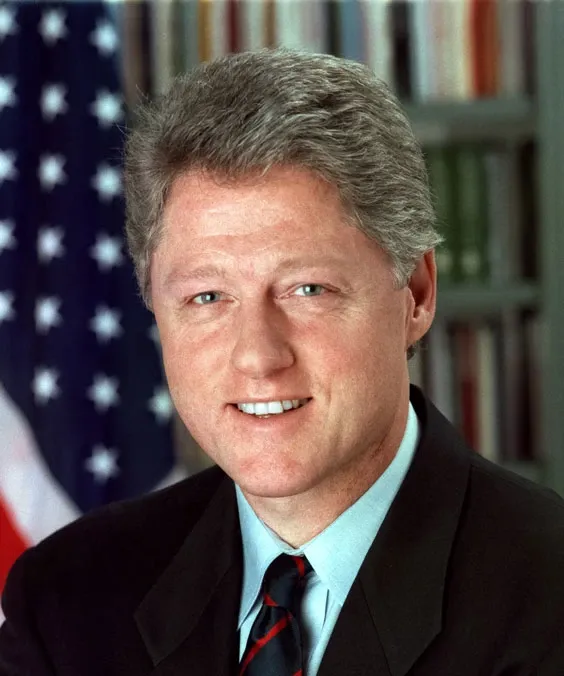
Mark Pryor
The Public Record
Mark Pryor is an American politician who served as a United States Senator from Arkansas from 2003 to 2015. A member of the Democratic Party, he focused on issues such as healthcare, education, and infrastructure during his tenure. Pryor was known for his moderate stance and worked across party lines on various legislative initiatives. He was re-elected in 2008 but lost his bid for a third term in 2014, marking the end of his Senate career.
May 5, 2014
Part of my view is, give them their money back, then, with interest, if you are going to take it away from them after they earned it.
Apr 29, 2014
Given the importance of distance learning in my State, I would like to work with you to focus efforts on collecting this data in an effort to improve delivery and outcomes of online and distance learning.
Apr 9, 2014
Making sure the Patent and Trademark Office is strong and that patents are high quality, and that they are being issued in a timely and appropriate manner is a real concern to me.
Apr 9, 2014
The program gives selected communities a seal of approval intended to signal to business and industry around the world that the community has been chosen by the Government, by the Administration, as worthy of investment.
Apr 9, 2014
Without this data, weather forecasters would be unable to do their jobs and the safety of millions of Americans could be in jeopardy.
Apr 9, 2014
I am concerned that the Department has not prioritized these costly projects yet based on the value of services they provide to the core mission of the agency.
Apr 9, 2014
I believe it must maintain a focus on these projects that ensure weather forecasters have the data and information they need to protect life and property.
Apr 3, 2014
The President's health care law has increased uncertainty, raised taxes by nearly half a trillion dollars, undermined the medical device industry that is so important to my home state of Minnesota, and caused millions of Americans to lose…
Apr 3, 2014
I'm confident that there's bipartisan support in Congress for trade agreements today.
Apr 2, 2014
Thank you again for your leadership and for the FDA and all the things FDA does.
Apr 2, 2014
I think, again from my standpoint, I think of maybe seniors don't, typically don't always have the technology other people do.
Apr 2, 2014
My understanding is there's a new therapy that's in the pipeline that shows some promise.
Apr 2, 2014
I think a lot of people have that concern just about resources and how we're doing here.
Apr 2, 2014
And, back to your budget, and looking at the cost to you of implementing this and rolling this out...
Politicians like Mark Pryor