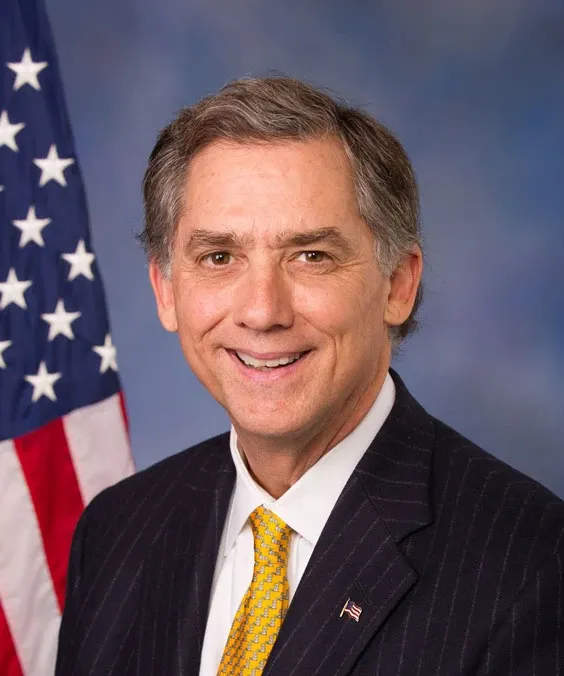
Mr. Chairman, so what is wrong with a $19 billion tax cut for individuals and for businesses? Well, on the surface, nothing. Except two crucial questions: Who and what? Who benefits from these tax cuts, and what will be the cost of these cuts? First, the wealthiest 1 percent will get 20 percent of the benefits. The wealthiest 5 percent will get 36 percent of the benefits. And the wealthiest 10 percent will get almost half of the benefits, 47 percent. Taxpayers making up to $200,000 will get $11,000, while those making less than $30,000 will receive a paltry $124. This bill pays for these tax cuts to the rich and corporations by cutting discretionary spending by $100 billion, which has already been cut significantly. We are talking about housing, and we are talking about applying cuts already made in programs like school lunches. The cost of this tax cut over 10 years is $700 billion. This hurts deficit reduction. This bill should be changed to target families making up to $100,000, the real middle-class.
James T. Tucker: “Mr. Chairman, so what is wrong with a $19 billion tax cut for individuals and for businesses? Well, on the surface…”
Editor's note · Context
Discussing the implications of a proposed $19 billion tax cut during a committee meeting.
Share
More from James T. Tucker
I did not support the balanced budget amendment, but, thank God, we live in a country where I can say that democracy had its will and its way. As to the reasons why I did not support it, they are precisely because it did not prohibit…
There is an attack on our children. If I have to wear one of those scarves, I guess I will too, certainly to make the point that there is a very insidious attack on our children right now. So many talk about the Contract With America. But…
I have seen up close the difference between this bill and the one in the last Congress, the 103d Congress. I know there are a lot of concerns over the issues of nonpoint source pollution, storm water management, wetlands and risk…
All of us suffer and our elected government has less legitimacy each time an American Indian or Alaska Native is prevented from registering to vote or being turned away at the polls.