Mar 8, 2017
Your input will be critical as we go forward and we fund the work of the U.S. Department of Agriculture.
The Public Record
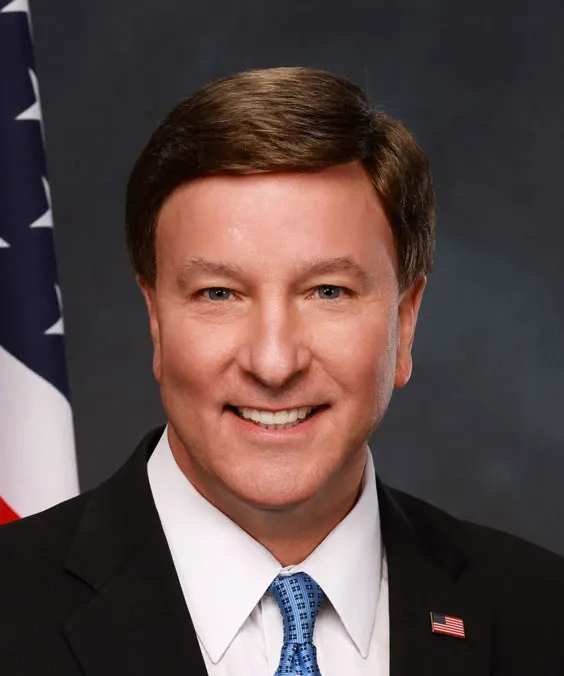
Robert Brown Aderholt is a Republican member of the United States House of Representatives, representing Alabama's 4th congressional district since 1997. Born on July 22, 1966, Aderholt has been a prominent figure in Alabama politics for over two decades. He has served on various committees, including the Appropriations Committee, where he has focused on issues such as agriculture, education, and national security. Aderholt is known for his conservative positions and has been an advocate for policies that support rural communities in Alabama.
Your input will be critical as we go forward and we fund the work of the U.S. Department of Agriculture.
this rule would fundamentally and negatively change the way that livestock and poultry are marketed in this country
Okay. A report was released recently that highlighted the potential for adversaries to conduct cyber attacks on power grids.
If North Korea fails to curb the program and the President were to decide to strike, my question is, are we assembling the resources that we need to cripple the North Korean military in the first 72 hours?
The intent of this hearing is to examine the Food and Drug Administration's fiscal year 2018 budget request.
It seems it would be wise to require a certain length of service in exchange.
We have established four primary goals for this Subcommittee as we progress through the 2018 appropriations process.
Cyber is the biggest threat to our market and, unfortunately, Dodd-Frank doesn't give us any instructions as to what to do about the cyber threat to our market.
Well, let me just say that, if you do need some specific legal authority to do this, please let us know.
This is a modest increase, and I understand the reasoning you put forth in your testimony.
I think this Committee has been very committed to funding for food safety, and I think the record will show that.
the more transparency the better. Whether you agree with an issue or not, having that information out there is important.
one of the issues that I think boggles the mind is the four programs under the Food and Nutrition Services that have not complied with the improper payment laws for the past 4 years.
A lot of these challenges were never fully addressed by the previous administration, and now we have to hope you and the new administration fix some critical issues.
I know our time is short. I just want to say that this bill signifies our staunch support for life, and in spite of what has all been said, it just simply prevents taxpayer funds from being used to pay for abortions. For years our…
The amendment has been vetted by the House Legislative Counsel and the staff at the CFTC. I understand and I can appreciate any concerns that the ranking member would have. Let me say, as we move forward, we will take any of this into…
Reclaiming my time, I would just add that, for this amendment, we will work with any concerns that they may have and try to fix anything that may be, but this is something that needs to be addressed, as there are real problems at the CFTC…
This amendment has been vetted by the House Legislative Counsel and the staff at the CFTC. The CHAIR. The gentleman from Alabama has yielded back. Does the gentleman from Alabama seek unanimous consent to reclaim the balance of the time?
I have an amendment at the desk. The CHAIR. The Clerk will designate the amendment. The text of the amendment is as follows: Add at the end of title II the following: SEC. 213. ELIMINATION OF CERTAIN LEASING AUTHORITY OF THE COMMISSION…
I appreciate the time to come to honor Joe Pitts. Congressman Smith, I appreciate your organizing this evening so we could thank Joe Pitts for his many years of service to not only this Chamber, but also to the public in general. Madam…
Since I first was elected to Congress, one of the things that I talked most directly about was the fact that if there is one thing that is so important in the Federal Government to do, it is the duty to provide for national security. The…
You know, it embarrasses me that you have to raise these issues that should not even come to your level, quite frankly.
I think the concern is probably China. And do we have different standards in place for places like China than we do in the United States?
I hope to learn more this morning on what you are doing to take positive steps in these areas.
Politicians like Robert Aderholt