I thought the response to Sony, where we, for example, talked about the economic options as a Nation we would exercise, was a good way to remind the world around us that there's a broad set of capabilities and levers that are available to…
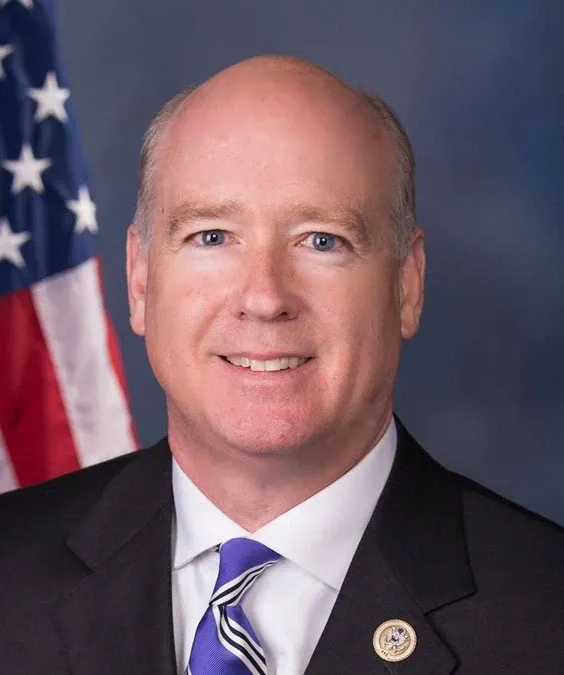
Mike Rogers
The Public Record
Mike Dennis Rogers is a former U.S. Representative for Alabama's 3rd congressional district, serving from 2003 to 2015. A member of the Republican Party, Rogers held various influential positions in Congress, including Chairman of the House Permanent Select Committee on Intelligence. During his tenure, he focused on national security and intelligence issues, advocating for policies to strengthen the military and enhance oversight of intelligence operations.
I think we have to clearly articulate, in broad terms, what is acceptable and unacceptable, norms, if you will, of behavior.
I have always believed that we must contest ISIL in the information domain every bit as aggressively as we are contesting them on the battlefield.
Unity of effort within our Department and across the U.S. Government in this mission set is essential.
There's a perception, there is little price to pay for engaging in some pretty aggressive behaviors, and, because of a lack of repercussions, you see actors, nation-states, indeed, willing to do more.
It is incoherent. When you ask our Arab League allies, the first question you get back from them is, hey, what is the United States' policy? What are you doing? Who are we for and who are we against?
Listen, Trump has tapped into one thing. It is probably likely that if you want a diminished or at least an accelerated end to the Syrian problem, you are going to have to sit down with the Russians.
One of the things I have always promised in the discussion that led as part of the legislation was, once we get into this new structure, what I promise will be honest and direct feedback on how this is working.
He has got to start talking about a coherent national security plan. It is a number-one issue in Iowa amongst caucus goers.
What is the likely impact on Iran's ballistic missile program of its ability to test freely its ballistic missile capability?