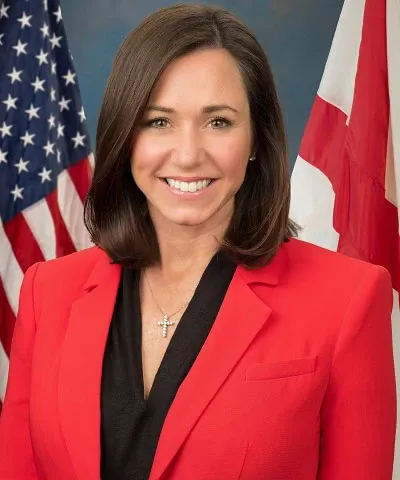
Jeff Sessions
The Public Record
Jeff Sessions is an American politician and lawyer who served as the 84th Attorney General of the United States from 2017 to 2018. A member of the Republican Party, he was previously a U.S. Senator from Alabama from 2007 to 2017. During his tenure in the Senate, Sessions was known for his strong stance on immigration and law enforcement issues, advocating for stricter immigration policies and supporting various measures to combat drug trafficking and crime. He also served as the U.S. Attorney for the Southern District of Alabama from 2001 to 2002.
Mar 4, 2014
I think it is important to make sure we understand. I am not sure you have stated absolutely clearly what would happen.
Mar 4, 2014
Are there actions we could take to deter our potential adversaries from taking such action?
Mar 4, 2014
Although Beijing claims the launch was part of a high-altitude scientific experiment, available data suggests it was intended to test at least the launch vehicle component of a new high-altitude ASAT capability.
Mar 4, 2014
I am troubled by these developments and look forward to understanding your strategy for countering and deterring China's offensive space efforts.
Mar 4, 2014
Adversaries like China and Russia are rapidly positioning themselves to overtake American dominance in the space domain.
Mar 4, 2014
This budget demonstrates a failure in presidential leadership that undermines our national security.
Mar 4, 2014
If we are smart, we will be able to work through this without having these programs that we have invested so much in for so long be damaged.
Mar 4, 2014
I do not think, under the Budget Control Act, they will have to be cut that much, which is good news.
Mar 4, 2014
I support a more frugal approach. I will give you an A, but it is delaying things.
Mar 4, 2014
I do not want to overstate my happiness about where we are financially and the way the programs are going.
Mar 4, 2014
I hope that will continue. They have to participate with intensity in this effort.
Mar 4, 2014
I think that is important to us because we need a healthy triad and healthy nuclear deterrent.
Mar 4, 2014
Our understanding is that we could go back and modernize the triad over a period of years.
Mar 4, 2014
I sense that the administration and DOD is thinking more clearly about this area, and some of the spending priorities represent a step in the right direction.
Mar 4, 2014
At some point--at some point--we will need to include others in arms control negotiations.
Mar 4, 2014
If we need to accelerate some of this, it is a relatively small part of the budget overall, and I think we have to do it.
Mar 4, 2014
We are going to invest in the modernization we need to keep the deterrent stronger than it has ever been, and you have my commitment on that.
Mar 4, 2014
It has been my concern, which I have raised publicly, that the Nuclear Posture Review (NPR) statement that had some 30-odd references to a world without nuclear weapons was stunning to me.
Feb 26, 2014
We paid $211 billion in interest on our debt this past year, and it will rise to $880 billion 10 years from today.
Feb 26, 2014
I believe that it has been disproportionately squeezed in our budget process.
Politicians like Jeff Sessions