The romantic and barbarous distinction of men into kings and subjects, though it may suit the condition of courtiers, cannot that of citizens, and is exploded by the principle upon which governments are now founded.
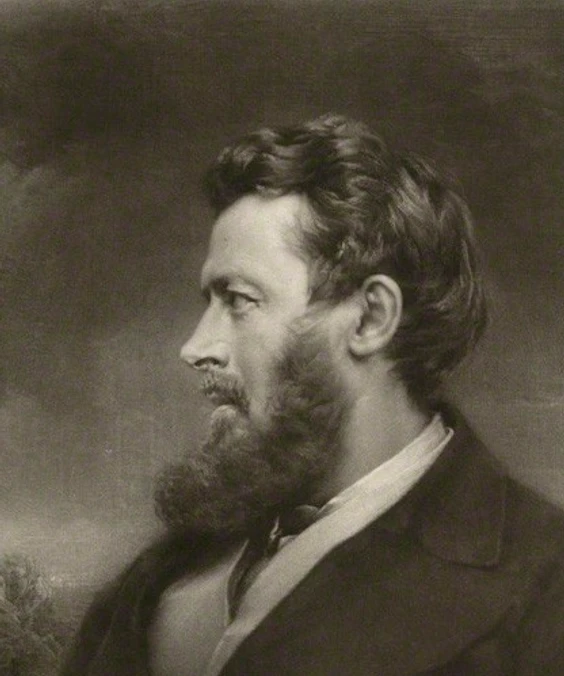
Edmund Burke: “The romantic and barbarous distinction of men into kings and subjects, though it may suit the condition of courtiers…”
Editor's note · Context
Burke critiques the outdated notion of monarchy and its distinction between rulers and subjects in favor of a more egalitarian view of citizenship.
Share
More from Edmund Burke
So far is it from being true that we acquired a right by the Revolution to elect our kings, that, if we had possessed it before, the English nation did at that time most solemnly renounce and abdicate it, for themselves, and for all their…
The House of Lords, for instance, is not morally competent to dissolve the House of Commons,--no, nor even to dissolve itself, nor to abdicate, if it would, its portion in the legislature of the kingdom.
The people of England will not ape the fashions they have never tried, nor go back to those which they have found mischievous on trial.
Unquestionably there was at the Revolution, in the person of King William, a small and a temporary deviation from the strict order of a regular hereditary succession; but it is against all genuine principles of jurisprudence to draw a…