Other acts of irregular power, in their greatest excesses, still retain the characters of sovereign authority; but here the vices of the prince intrude into the families of the subject, and, whilst they aggravate the oppression, lower the character of the oppressor.
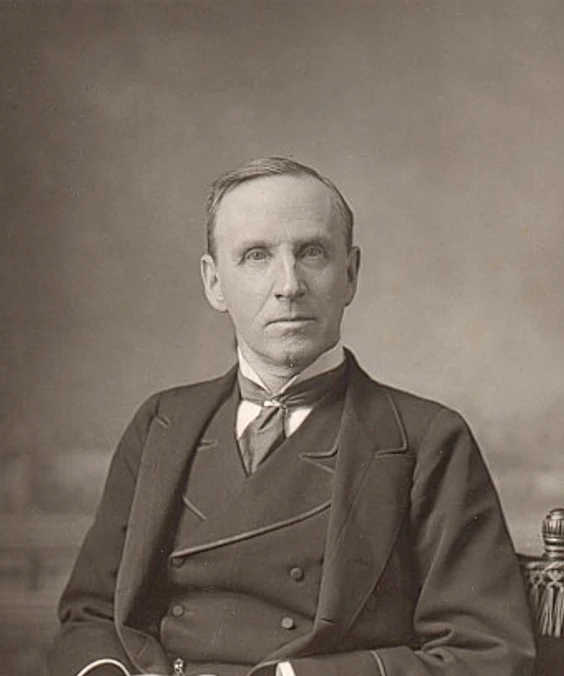
Edmund Burke: “Other acts of irregular power, in their greatest excesses, still retain the characters of sovereign authority; but here…”
Editor's note · Context
Burke analyzes the impact of a ruler's vices on both the oppression of subjects and the ruler's own reputation.
Share
More from Edmund Burke
No experience has taught us that in any other course or method than that of an hereditary crown our liberties can be regularly perpetuated and preserved sacred as our hereditary right.
This is the spirit of our Constitution, not only in its settled course, but in all its revolutions.
But supposing they had ranked as they ought to do, and as with us they do actually, the sides of sick-beds are not the academies for forming statesmen and legislators.
They look upon the legal hereditary succession of their crown as among their rights, not as among their wrongs,--as a benefit, not as a grievance,--as a security for their liberty, not as a badge of servitude.