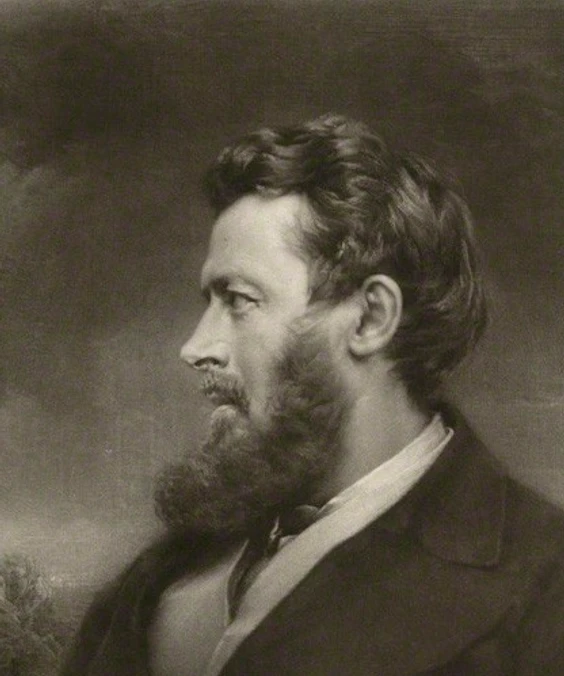
In such cases of mutual assertion and denial, your Committee are led irresistibly to attach abuse to power, and to presume that suffering and hardship are more likely to attend on weakness than that any combination of unprotected individuals is of force to prevail over influence, power, wealth, and authority.
Edmund Burke: “In such cases of mutual assertion and denial, your Committee are led irresistibly to attach abuse to power, and to…”
Editor's note · Context
Burke reflects on the dynamics of power and the likelihood of oppression against the weak.
Share
More from Edmund Burke
The ceremony of cashiering kings, of which these gentlemen talk so much at their ease, can rarely, if ever, be performed without force.
A few years ago I should be ashamed to overload a matter so capable of supporting itself by the then unnecessary support of any argument; but this seditious, unconstitutional doctrine is now publicly taught, avowed, and printed.
We procure reverence to our civil institutions on the principle upon which Nature teaches us to revere individual men: on account of their age, and on account of those from whom they are descended.
This idea of a liberal descent inspires us with a sense of habitual native dignity, which prevents that upstart insolence almost inevitably adhering to and disgracing those who are the first acquirers of any distinction.