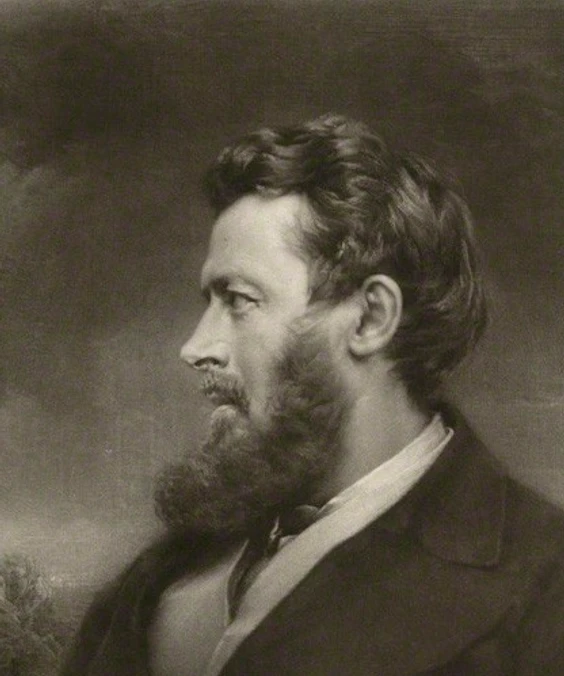
These are purely arbitrary, without the least reference to any fixed principle in the nature of things, or to any settled maxim of jurisprudence, and consequently are variable at every instant, as the conveniencies of the cause may require.
Edmund Burke: “These are purely arbitrary, without the least reference to any fixed principle in the nature of things, or to any…”
Editor's note · Context
Burke critiques arbitrary legal rules that lack a fixed principle, emphasizing the need for consistency in jurisprudence.
Share
More from Edmund Burke
Their objects would be enlarged with their elevation; but their disposition, and habits, and mode of accomplishing their designs must remain the same.
Their trust for the future preservation of the Constitution was not in future revolutions.
The House of Lords, for instance, is not morally competent to dissolve the House of Commons,--no, nor even to dissolve itself, nor to abdicate, if it would, its portion in the legislature of the kingdom.
Who could flatter himself that these men, suddenly, and as it were by enchantment, snatched from the humblest rank of subordination, would not be intoxicated with their unprepared greatness?