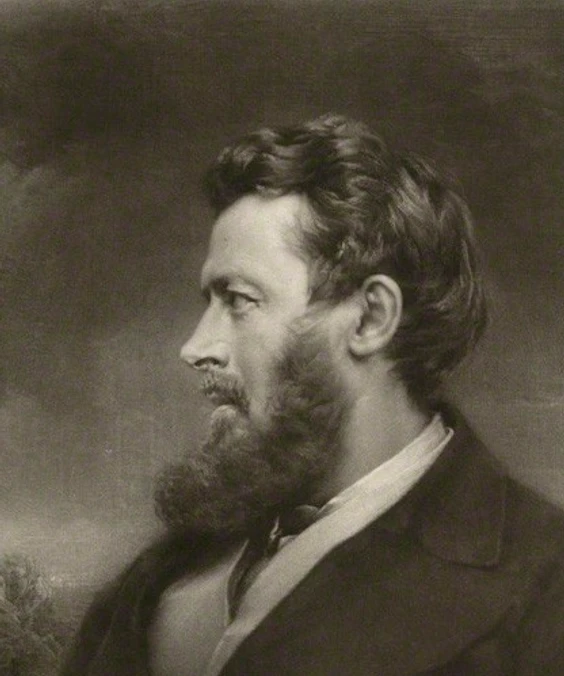
He declared that he did not affect a democracy: that he always thought any of the simple, unbalanced governments bad: simple monarchy, simple aristocracy, simple democracy,--he held them all imperfect or vicious; all were bad by themselves; the composition alone was good.
Edmund Burke: “He declared that he did not affect a democracy: that he always thought any of the simple, unbalanced governments bad…”
Editor's note · Context
Burke critiques simple forms of government, arguing that they are all flawed and that only a balanced composition is beneficial.
Share
More from Edmund Burke
Their objects would be enlarged with their elevation; but their disposition, and habits, and mode of accomplishing their designs must remain the same.
They look on the frame of their commonwealth, such as it stands, to be of inestimable value; and they conceive the undisturbed succession of the crown to be a pledge of the stability and perpetuity of all the other members of our…
Who could flatter himself that these men, suddenly, and as it were by enchantment, snatched from the humblest rank of subordination, would not be intoxicated with their unprepared greatness?
We procure reverence to our civil institutions on the principle upon which Nature teaches us to revere individual men: on account of their age, and on account of those from whom they are descended.