For if all men who act in a public situation are equally selfish, corrupt, and venal, what reason can be given for desiring any sort of change, which, besides the evils which must attend all changes, can be productive of no possible advantage?
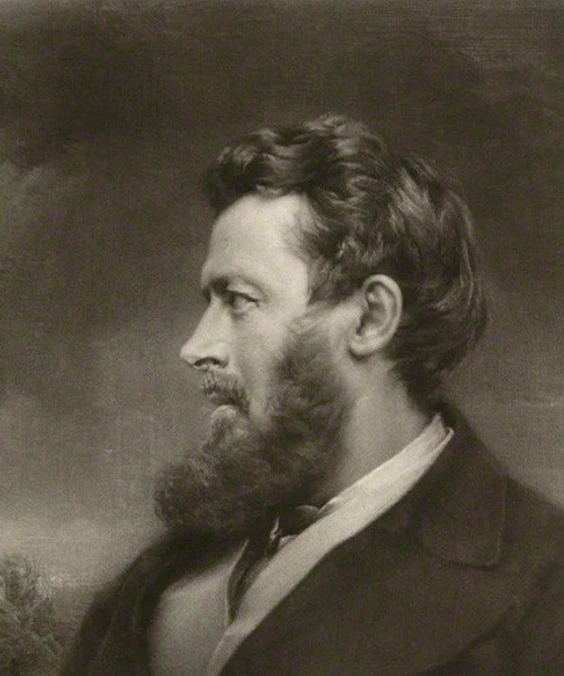
Edmund Burke: “For if all men who act in a public situation are equally selfish, corrupt, and venal, what reason can be given for…”
Editor's note · Context
Burke questions the rationale for change in governance if all public figures are corrupt, emphasizing the risks of change.
Share
More from Edmund Burke
Not being illuminated with the light of which the gentlemen of France tell us they have got so abundant a share, they acted under a strong impression of the ignorance and fallibility of mankind.
The improvements of the National Assembly are superficial, their errors fundamental.
If any of them should happen to propose a scheme of liberty soberly limited, and defined with proper qualifications, he will be immediately outbid by his competitors, who will produce something more splendidly popular.
Let us imitate their caution, if we wish to deserve their fortune or to retain their bequests.