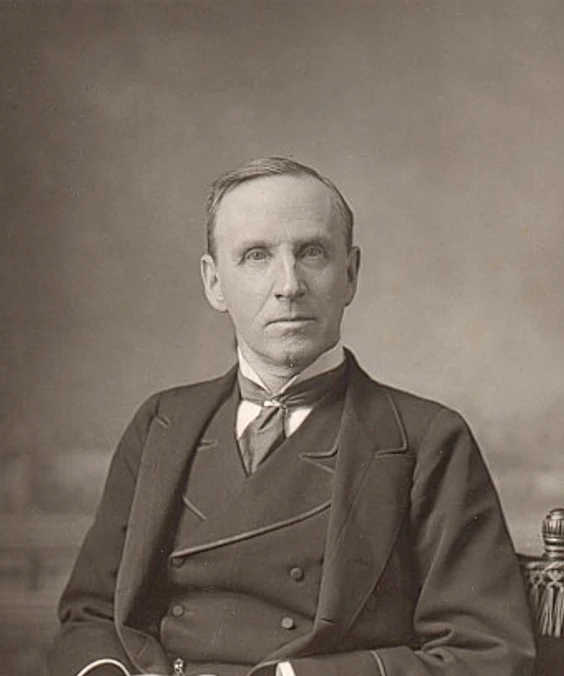
But it is not human frailty and imperfection, and even a considerable degree of them, that becomes a ground for your alteration; for by no alteration will you get rid of those errors, however you may delight yourselves in varying to infinity the fashion of them.
Edmund Burke: “But it is not human frailty and imperfection, and even a considerable degree of them, that becomes a ground for your…”
Editor's note · Context
Burke argues that human imperfections should not be the sole reason for legislative changes.
Share
More from Edmund Burke
They look on the frame of their commonwealth, such as it stands, to be of inestimable value; and they conceive the undisturbed succession of the crown to be a pledge of the stability and perpetuity of all the other members of our…
All your sophisters cannot produce anything better adapted to preserve a rational and manly freedom than the course that we have pursued, who have chosen our nature rather than our speculations, our breasts rather than our inventions, for…
Unquestionably there was at the Revolution, in the person of King William, a small and a temporary deviation from the strict order of a regular hereditary succession; but it is against all genuine principles of jurisprudence to draw a…
But the king of Great Britain obeys no other person; all other persons are individually, and collectively too, under him, and owe to him a legal obedience.