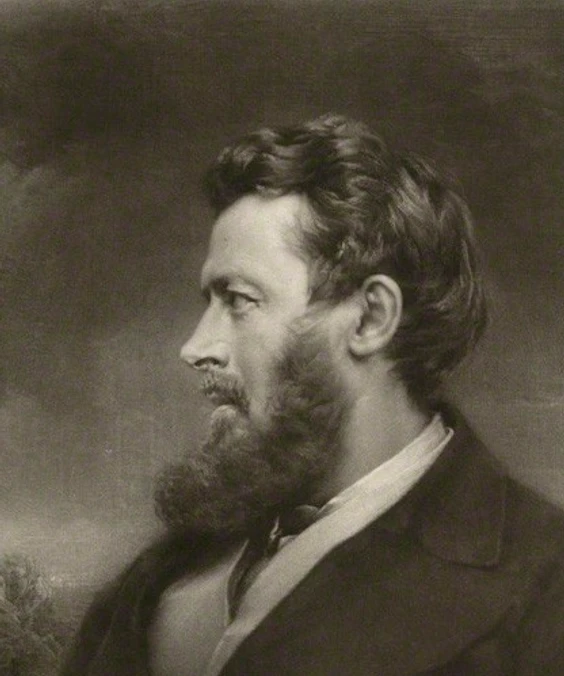
I had then no concern in the party, having been, for some time, with all outrage, excluded from it; but, on general principles, I must say that a person who assumes to be leader of a party composed of freemen and of gentlemen ought to pay some degree of deference to their feelings, and even to their prejudices.
Edmund Burke: “I had then no concern in the party, having been, for some time, with all outrage, excluded from it; but, on general…”
Editor's note · Context
Burke emphasizes the importance of a party leader respecting the feelings and prejudices of their constituents.
Share
More from Edmund Burke
Unquestionably there was at the Revolution, in the person of King William, a small and a temporary deviation from the strict order of a regular hereditary succession; but it is against all genuine principles of jurisprudence to draw a…
The engagement and pact of society, which generally goes by the name of the Constitution, forbids such invasion and such surrender.
But the king of Great Britain obeys no other person; all other persons are individually, and collectively too, under him, and owe to him a legal obedience.
The House of Lords, for instance, is not morally competent to dissolve the House of Commons,--no, nor even to dissolve itself, nor to abdicate, if it would, its portion in the legislature of the kingdom.