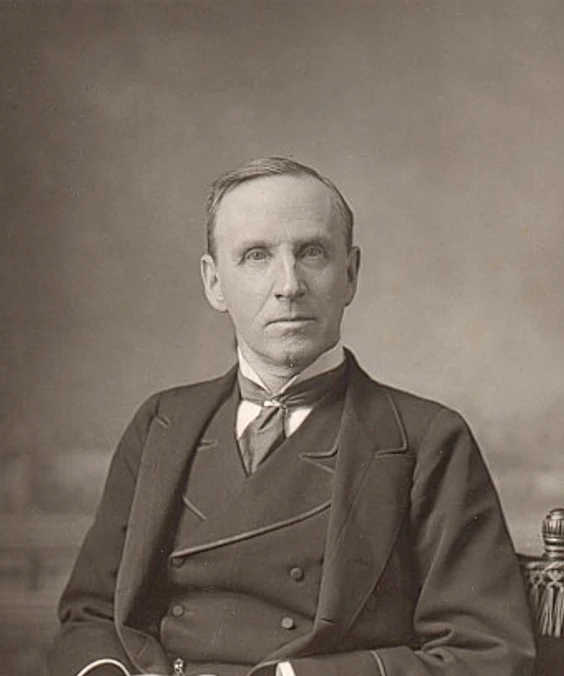
I owe it to your Lordships, I owe it to this great auditory, I owe it to the present times and to posterity, to make some apology for a proceeding which has drawn upon me the disavowal of the House which I represent.
Edmund Burke: “I owe it to your Lordships, I owe it to this great auditory, I owe it to the present times and to posterity, to make…”
Editor's note · Context
Burke expresses his obligation to explain his actions to the audience and future generations, reflecting on accountability in public service.
Share
More from Edmund Burke
Who could flatter himself that these men, suddenly, and as it were by enchantment, snatched from the humblest rank of subordination, would not be intoxicated with their unprepared greatness?
The House of Lords, for instance, is not morally competent to dissolve the House of Commons,--no, nor even to dissolve itself, nor to abdicate, if it would, its portion in the legislature of the kingdom.
So far is it from being true that we acquired a right by the Revolution to elect our kings, that, if we had possessed it before, the English nation did at that time most solemnly renounce and abdicate it, for themselves, and for all their…
When such an unwarrantable maxim is once established, that no throne is lawful but the elective, no one act of the princes who preceded this era of fictitious election can be valid.