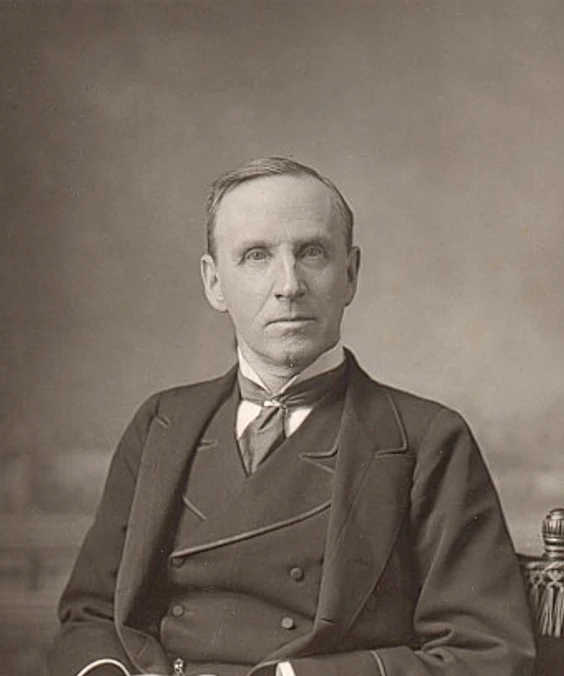
On the record
The people, when they complain, are not called dogs and sent away, but the governors, who do these things against the people: they are called dogs, and treated in that cruel manner.
Said by
Edmund Burke
Source
gutenberg.orgThe people, when they complain, are not called dogs and sent away, but the governors, who do these things against the people: they are called dogs, and treated in that cruel manner.
Burke contrasts the treatment of the people with that of corrupt governors, emphasizing the injustice in their punishment.
Share
More from Edmund Burke
The ceremony of cashiering kings, of which these gentlemen talk so much at their ease, can rarely, if ever, be performed without force.
Do they mean to attaint and disable backwards all the kings that have reigned before the Revolution, and consequently to stain the throne of England with the blot of a continual usurpation?
This idea of a liberal descent inspires us with a sense of habitual native dignity, which prevents that upstart insolence almost inevitably adhering to and disgracing those who are the first acquirers of any distinction.
The House of Lords, for instance, is not morally competent to dissolve the House of Commons,--no, nor even to dissolve itself, nor to abdicate, if it would, its portion in the legislature of the kingdom.
Other voices in this conversation