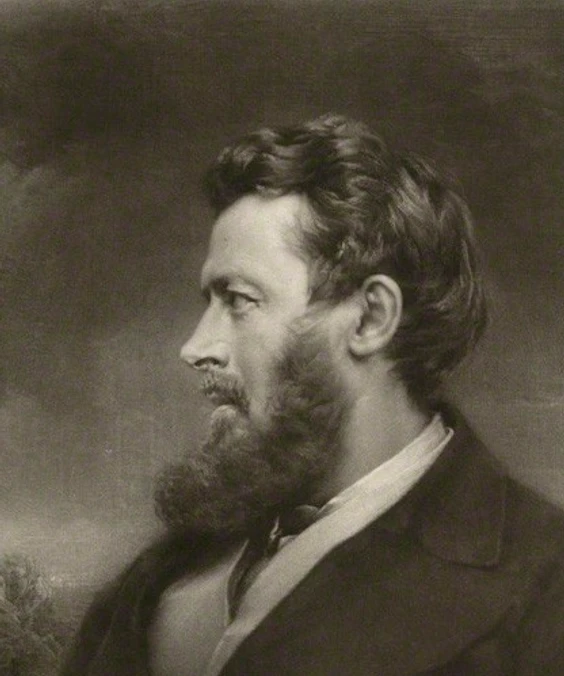
On the principles of this mechanic philosophy, our institutions can never be embodied, if I may use the expression, in persons,--so as to create in us love, veneration, admiration, or attachment.
Edmund Burke: “On the principles of this mechanic philosophy, our institutions can never be embodied, if I may use the expression, in…”
Editor's note · Context
From his critique of the French Revolution, this passage argues that a mechanistic philosophy prevents institutions from inspiring public affection and loyalty.
Share
More from Edmund Burke
An irregular, convulsive movement may be necessary to throw off an irregular, convulsive disease.
This idea of a liberal descent inspires us with a sense of habitual native dignity, which prevents that upstart insolence almost inevitably adhering to and disgracing those who are the first acquirers of any distinction.
We procure reverence to our civil institutions on the principle upon which Nature teaches us to revere individual men: on account of their age, and on account of those from whom they are descended.
Their objects would be enlarged with their elevation; but their disposition, and habits, and mode of accomplishing their designs must remain the same.