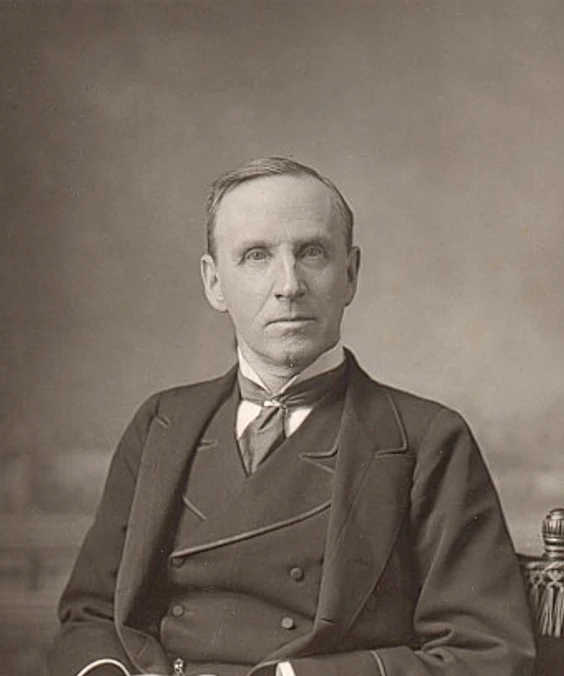
On the record
The next thing is to show that in India there is a partition of the powers of the government, which proves that there is no absolute power delegated.
Said by
Edmund Burke
Source
gutenberg.orgThe next thing is to show that in India there is a partition of the powers of the government, which proves that there is no absolute power delegated.
He highlights the division of governmental powers in India, illustrating the absence of absolute authority.
Share
More from Edmund Burke
The speculative line of demarcation, where obedience ought to end and resistance must begin, is faint, obscure, and not easily definable.
This idea of a liberal descent inspires us with a sense of habitual native dignity, which prevents that upstart insolence almost inevitably adhering to and disgracing those who are the first acquirers of any distinction.
We procure reverence to our civil institutions on the principle upon which Nature teaches us to revere individual men: on account of their age, and on account of those from whom they are descended.
So far is it from being true that we acquired a right by the Revolution to elect our kings, that, if we had possessed it before, the English nation did at that time most solemnly renounce and abdicate it, for themselves, and for all their…
Other voices in this conversation