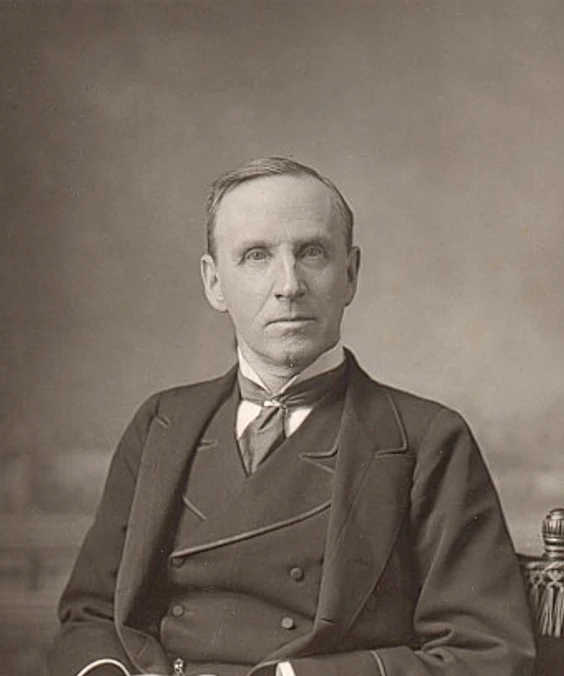
The lot of one plebeian would be the lot of all; and an habitual reverence and admiration of certain families might make the people content to see government wholly in hands to whom it seemed naturally to belong.
Edmund Burke: “The lot of one plebeian would be the lot of all; and an habitual reverence and admiration of certain families might make…”
Editor's note · Context
Burke reflects on the collective experience of the plebeians and their perception of governance by noble families.
Share
More from Edmund Burke
We procure reverence to our civil institutions on the principle upon which Nature teaches us to revere individual men: on account of their age, and on account of those from whom they are descended.
No experience has taught us that in any other course or method than that of an hereditary crown our liberties can be regularly perpetuated and preserved sacred as our hereditary right.
So far is it from being true that we acquired a right by the Revolution to elect our kings, that, if we had possessed it before, the English nation did at that time most solemnly renounce and abdicate it, for themselves, and for all their…
The House of Lords, for instance, is not morally competent to dissolve the House of Commons,--no, nor even to dissolve itself, nor to abdicate, if it would, its portion in the legislature of the kingdom.