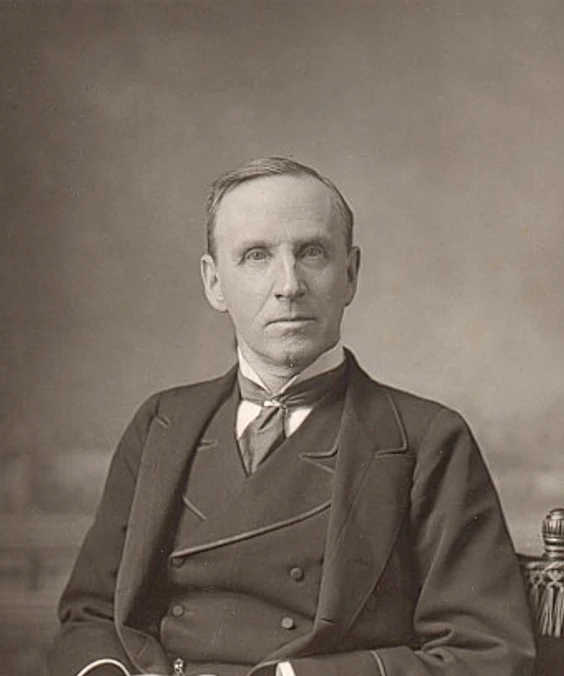
But, in that state of their country, did the Regicide government solicit peace or amity with other nations, or even lay any specious grounds for it, in propositions of affected moderation, or in the most loose and general conciliatory language?
Edmund Burke: “But, in that state of their country, did the Regicide government solicit peace or amity with other nations, or even lay…”
Editor's note · Context
Burke questions whether the Regicide government genuinely sought peace or merely used conciliatory language without intent.
Share
More from Edmund Burke
They have little regard to the obvious consequences of their doctrine, though they may see that it leaves positive authority in very few of the positive institutions of this country.
So far is it from being true that we acquired a right by the Revolution to elect our kings, that, if we had possessed it before, the English nation did at that time most solemnly renounce and abdicate it, for themselves, and for all their…
This idea of a liberal descent inspires us with a sense of habitual native dignity, which prevents that upstart insolence almost inevitably adhering to and disgracing those who are the first acquirers of any distinction.
But supposing they had ranked as they ought to do, and as with us they do actually, the sides of sick-beds are not the academies for forming statesmen and legislators.