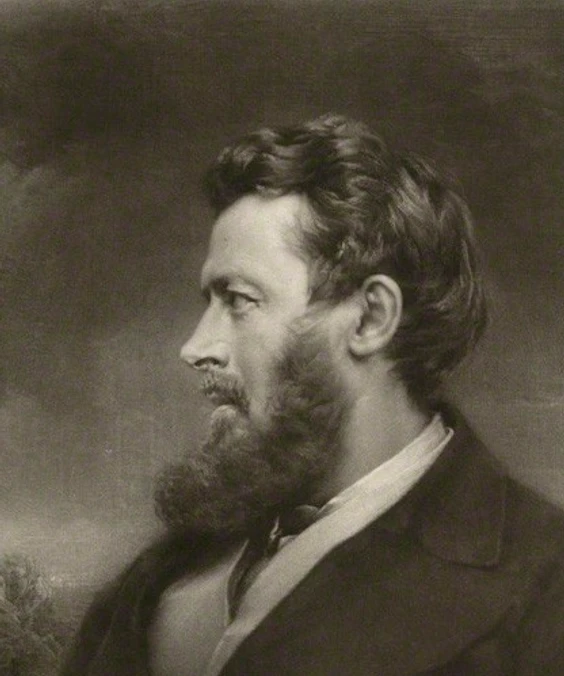
Every governor is responsible for the misdemeanors committed under his legal authority for which he does not punish the delinquent; but the prisoner is doubly responsible in this case, because he assumed an illegal authority, which can be justified only, if at all, by the good resulting from the assumption.
Edmund Burke: “Every governor is responsible for the misdemeanors committed under his legal authority for which he does not punish the…”
Editor's note · Context
Burke articulates the principle that governors must answer for wrongdoings committed under their authority, especially when they exceed their legal powers.
Share
More from Edmund Burke
The people of England will not ape the fashions they have never tried, nor go back to those which they have found mischievous on trial.
Who could conceive that men who are habitually meddling, daring, subtle, active, of litigious dispositions and unquiet minds, would easily fall back into their old condition of obscure contention, and laborious, low, and unprofitable…
But the king of Great Britain obeys no other person; all other persons are individually, and collectively too, under him, and owe to him a legal obedience.
They have little regard to the obvious consequences of their doctrine, though they may see that it leaves positive authority in very few of the positive institutions of this country.