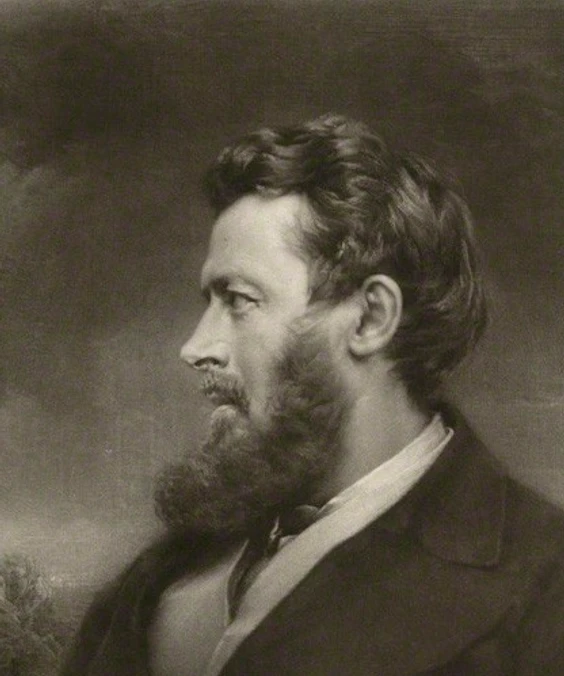
Thus it is with things which owe their existence to men; but where the subject is of a physical nature, or of a moral nature, independent of their conventions, men have no other reasonable authority than to register and digest the results of experience and observation.
Edmund Burke: “Thus it is with things which owe their existence to men; but where the subject is of a physical nature, or of a moral…”
Editor's note · Context
Burke distinguishes between human conventions and natural or moral subjects, advocating for a reliance on empirical evidence in the latter.
Share
More from Edmund Burke
They look upon the legal hereditary succession of their crown as among their rights, not as among their wrongs,--as a benefit, not as a grievance,--as a security for their liberty, not as a badge of servitude.
All your sophisters cannot produce anything better adapted to preserve a rational and manly freedom than the course that we have pursued, who have chosen our nature rather than our speculations, our breasts rather than our inventions, for…
But an absurd theory on one side of a question forms no justification for alleging a false fact or promulgating mischievous maxims on the other.
Who could flatter himself that these men, suddenly, and as it were by enchantment, snatched from the humblest rank of subordination, would not be intoxicated with their unprepared greatness?