And these have accordingly divided poetry into two very different kinds,--the panegyrical, and the satirical; under one of which heads all genuine poetry falls (for I do not reckon the didactic as poetry, in the strictness of speech).
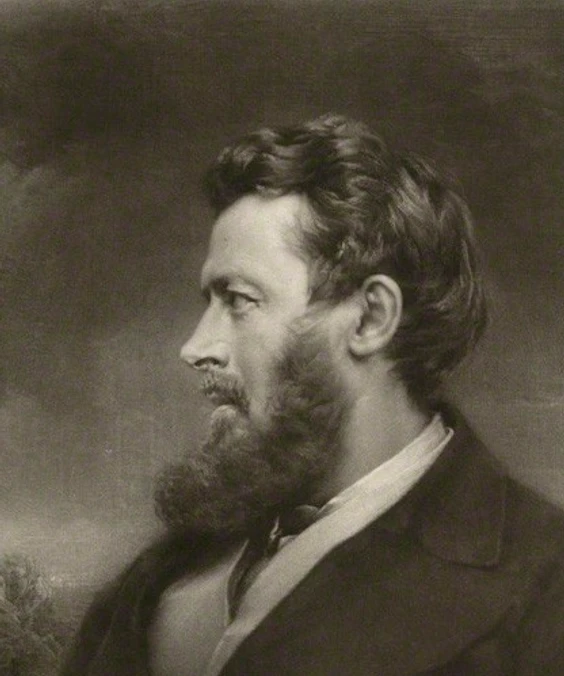
Edmund Burke: “And these have accordingly divided poetry into two very different kinds,--the panegyrical, and the satirical; under one…”
Editor's note · Context
Burke categorizes poetry into panegyrical and satirical forms, excluding didactic poetry from this classification.
Share
More from Edmund Burke
Their trust for the future preservation of the Constitution was not in future revolutions.
Those who are servants in name, as well as in effect, do not like to be told of their situation, their duty, and their obligations.
A few years ago I should be ashamed to overload a matter so capable of supporting itself by the then unnecessary support of any argument; but this seditious, unconstitutional doctrine is now publicly taught, avowed, and printed.
By adhering in this manner and on those principles to our forefathers, we are guided, not by the superstition of antiquarians, but by the spirit of philosophic analogy.