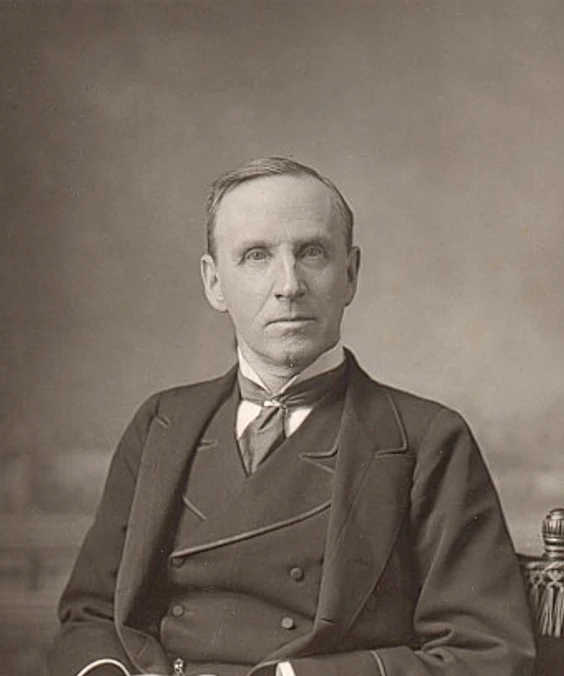
Instead of meeting the man in front, he endeavored to go round, to come upon his flanks and rear, but never to meet him in the face, upon the ground of his accusation, as he was bound by the express authority of law and the express injunctions of the Directors to do.
Edmund Burke: “Instead of meeting the man in front, he endeavored to go round, to come upon his flanks and rear, but never to meet him…”
Editor's note · Context
Burke highlights the obligation of individuals to confront accusations directly rather than evade them.
Share
More from Edmund Burke
This idea of a liberal descent inspires us with a sense of habitual native dignity, which prevents that upstart insolence almost inevitably adhering to and disgracing those who are the first acquirers of any distinction.
They have little regard to the obvious consequences of their doctrine, though they may see that it leaves positive authority in very few of the positive institutions of this country.
The House of Lords, for instance, is not morally competent to dissolve the House of Commons,--no, nor even to dissolve itself, nor to abdicate, if it would, its portion in the legislature of the kingdom.
Who could doubt but that, at any expense to the state, of which they understood nothing, they must pursue their private interests, which they understood but too well?