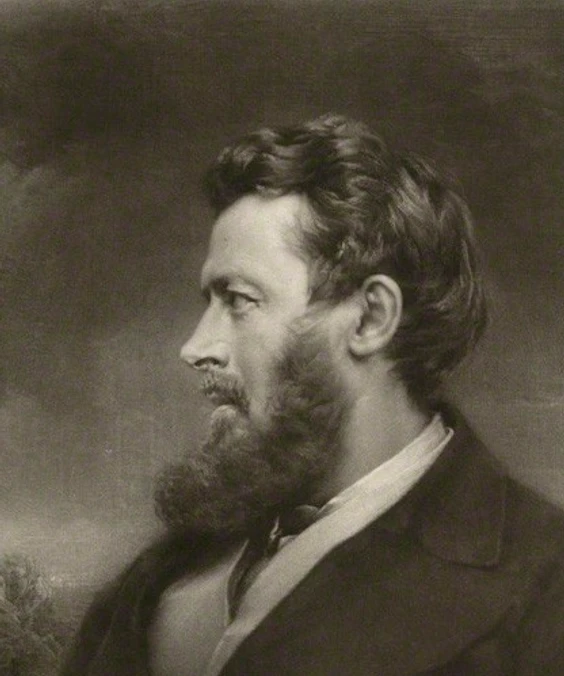
But the crimes which are the most striking to the imagination are not always the most pernicious in their effects: in these high, eminent acts of domineering tyranny, their very magnitude proves a sort of corrective to their virulence.
Edmund Burke: “But the crimes which are the most striking to the imagination are not always the most pernicious in their effects: in…”
Editor's note · Context
Burke reflects on the nature of tyranny and its paradoxical effects on society.
Share
More from Edmund Burke
Ill would our ancestors at the Revolution have deserved their fame for wisdom, if they had found no security for their freedom, but in rendering their government feeble in its operations and precarious in its tenure,--if they had been able…
Their trust for the future preservation of the Constitution was not in future revolutions.
A few years ago I should be ashamed to overload a matter so capable of supporting itself by the then unnecessary support of any argument; but this seditious, unconstitutional doctrine is now publicly taught, avowed, and printed.
But the king of Great Britain obeys no other person; all other persons are individually, and collectively too, under him, and owe to him a legal obedience.