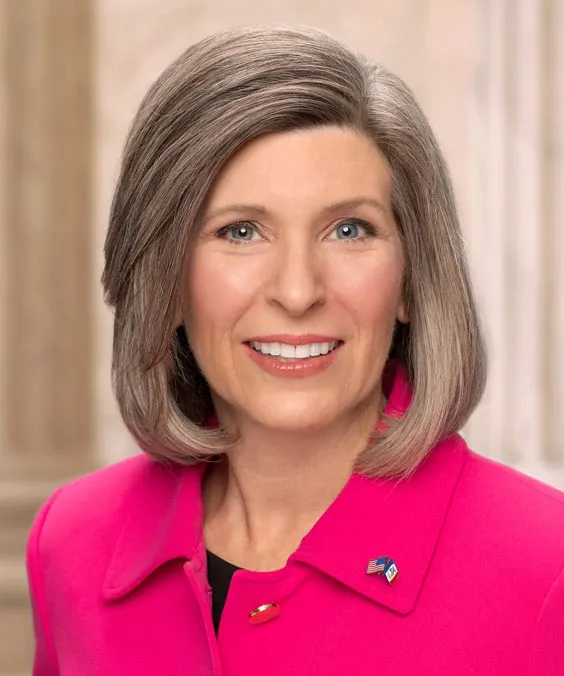
@joniernst· Republican · IA· Jun 4, 2026
Today’s hearing will assist that effort by providing insights from our witnesses into how to spot the warning signs of rip offs and cover-ups.
On the public record
Every politician on the site, every statement on file. Search, filter, and read the public record.
20,000+·quotes on file
Today’s hearing will assist that effort by providing insights from our witnesses into how to spot the warning signs of rip offs and cover-ups.
The values of hard work and self-sufficiency have defined who we are as a nation.
By empowering states, the Upward Mobility Act will reduce government imposed barriers to financial independence and streamline the administration of federal welfare programs while taking measures to protect against fraud.
Hard working folks shouldn’t be punished for doing what is right for themselves and their families.
The Upward Mobility Act recognizes what most Americans understand: the best solutions often don’t come from Washington.
Small business employers hoping to reward top talent are instead faced with the reality that due to misguided federal policies, rewarding hard workers may actually harm their employees financially.
To make matters worse, the complex interactions of dozens of different programs create unintended cliffs and inhibit upward mobility.
It’s clear that there isn’t a one-size-fits-all solution.
Benefits cliffs create a paradox where the federal government, in effect, penalizes workers and leaves them worse off for pursuing higher income.
For far too many small businesses and their employees, federal bureaucracy stands in the way of economic opportunity.
Over the past 50 years, the national poverty rate has barely moved — and Iowa is no exception.
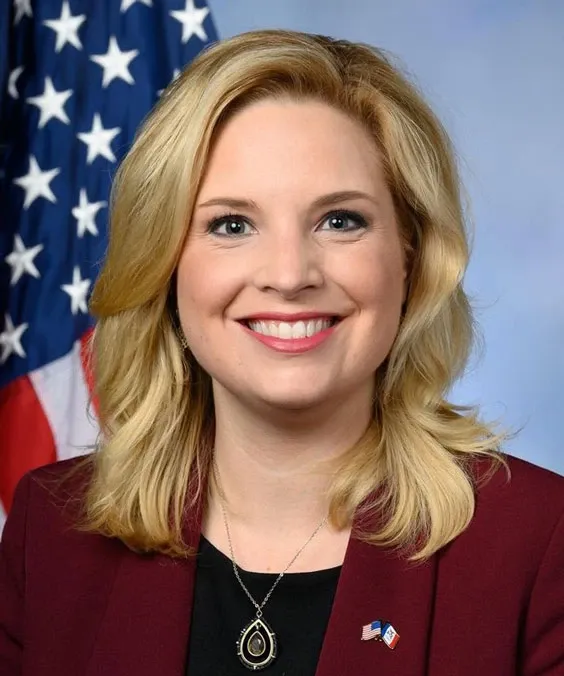
Hinson noted, "I've been to four funerals since December. It's awful."
Hinson remarked, "I do hope we can get this done by the next couple of weeks. If it drags on beyond that, it's a political liability for us too."
Hinson expressed, "We will not have to worry about him representing Iowa, because we will defeat him in November."
Hinson stated, "If he wants to be in the U.S. Senate that badly, he ought to pack up and move to New York City with his friends Chuck Schumer and AOC."
Hinson said Turek is "masquerading as a good old Iowa moderate, he is nothing of the sort."
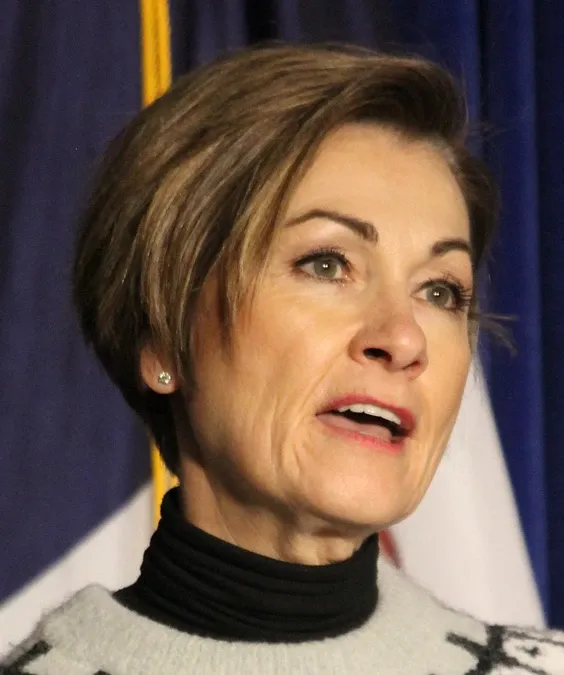
What I experienced for my last legislative session was legislators and leaders in both the House and Senate remained committed to putting Iowans first and getting things done and completed, that we promised Iowans we would.
Sometimes it’s kind of irrelevant what the governor wants.